Sunday, April 26, 2026

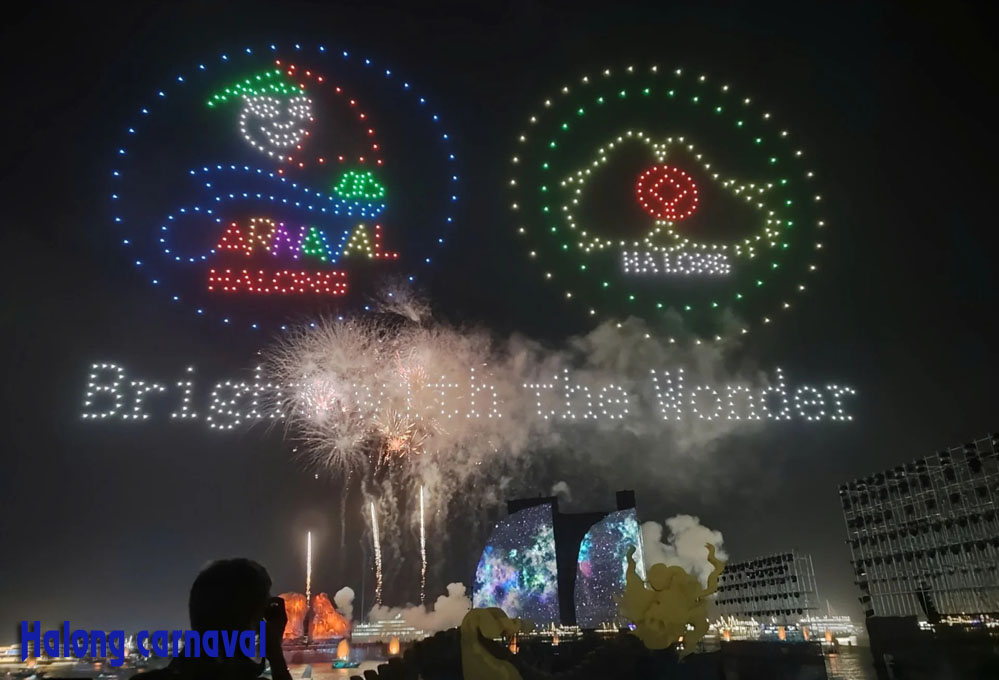
International street dance festival lights up Halong

Cruise in Halong Bay - At a press conference announcing the program for the 2026 Summer Culture, Sports, and Tourism Week, the Quang Ninh Department of Culture, Sports, and Tourism, stated that with 14 typical cultural, sports, and tourism activities and events taking place throughout from the end of April to the beginning of May, Quang Ninh aims to welcome approximately 1.3 million tourists, affirming its position as a modern and dynamic international tourism center.


The Quang Ninh Province Culture, Sports, and Tourism Week, themed "Halong Carnival 2026 - A Wonder Shining in a New Era", will officially take place from April 25th to May 3rd, celebrating the summer of 2026. Not confined to the heritage city of Halong, this year's festival space will expand to key locations such as Hong Gai, Bai Chay, and the sacred land of Yen Tu.

The Culture, Sports, and Tourism Week will include 14 unique activities, harmoniously combining traditional values with modern elements. With meticulous preparation, Quang Ninh expects to welcome approximately 1.3 million visitors, making a significant contribution to the province's tourism growth target in the second quarter of 2026.

The highlight of the series of activities is the opening art program of the Halong Carnival 2026 and the international street dance festival "Dances of 5 Continents". Taking place at 8 PM on April 30th, at 30/10 Square (Halong Ward), the program will attract over 80,000 people and feature singers such as My Tam, Tung Duong, Quang Hung MasterD... The highlight is a large-scale parade with 60 artistic floats, representing the cultural essence of the mining region and international art troupes.

In addition, during the Culture, Sports, and Tourism Week, visitors will be able to admire new and unique tourism products such as: the Light Festival with a performance of 50 tourist boats decorated with artistic lights moving along the shores of Halong Bay; and the Sound and Light Harmony with an EDM music night combined with modern 3D mapping technology at 30/10 Square on May 2nd. The semi-epic art program "Sacred Yen Tu" recreates the ascetic journey of Emperor Tran Nhan Tong amidst the majestic mountain and forest landscape...

To ensure the best experience for tourists, the province has established specialized subcommittees for logistics, security, and health. Supporting activities such as the International Food Street, the OCOP fair, the "Flying Up with the Wonders" hot air balloon performance, and traditional martial arts competitions are also organized simultaneously, creating a colorful festival atmosphere.

Through the 2026 Culture, Sports, and Tourism Week, Quang Ninh not only aims for 1.3 million visitors but also strongly affirms its image as a dynamic, integrated locality, a destination for the entertainment industry and world-class cultural events.

In 2026, Quang Ninh aims to welcome 22 million visitors, including 5.2 million international visitors, with total tourism revenue reaching approximately 55,000 billion VND. In the first quarter of 2026, the province welcomed over 6.2 million visitors (exceeding the plan), affirming its strong growth momentum and determination to make tourism a key economic sector.

Source: https://cruise-halong-bay.com/news/halong-affirms-position-as-global-tourism-center.asp

Son Tra peninsula becomes stage for culinary art experience

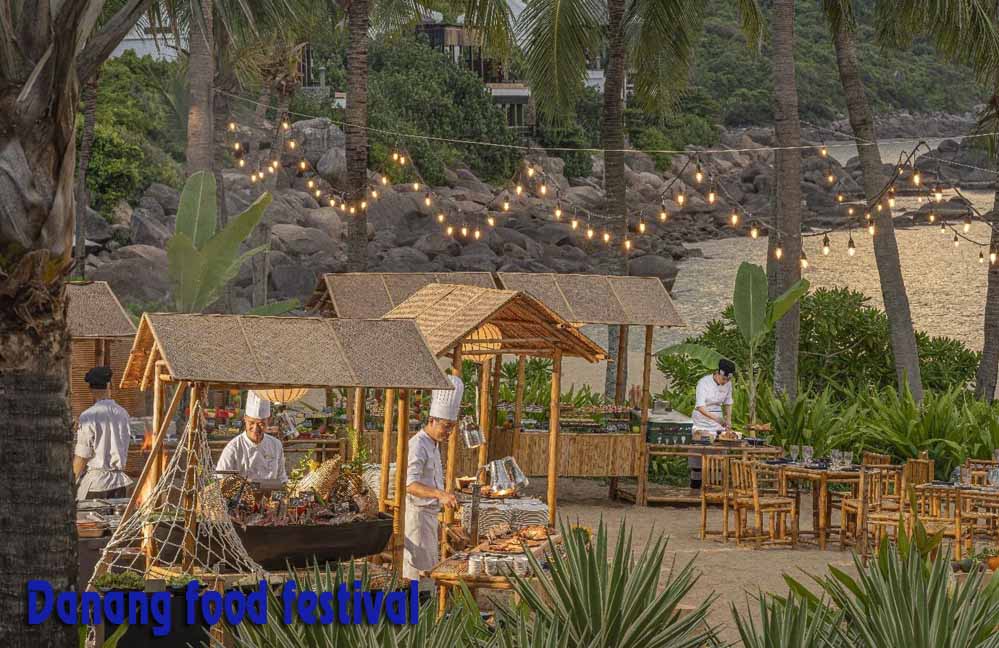
Budget Vietnam tours - The Da Nang Department of Culture, Sports and Tourism announced that from June 6-11, 2026, InterContinental Danang Sun Peninsula Resort will officially launch the 'Artisan Stories' festival - the first international-scale event to be held in Central Vietnam.


Taking place amidst the majestic natural landscape of the Son Tra peninsula, the festival promises a multi-sensory experience, where the finest culinary and creative arts converge.

According to the Da Nang Department of Culture, Sports and Tourism, Artisan Stories brings together many prominent names in the world of gastronomy, including three-Michelin-star chef Christian Le Squer and culinary artisans from Hong Kong, Thailand, and Vietnam.

Bringing together three-Michelin-star chef Christian Le Squer and legendary designer Bill Bensley, this unique festival, held for the first time, will position Da Nang as a new hub for art, cuisine, and creativity.

More than just a food festival, the event is designed as an experiential journey, where every meal, every cocktail, and every space tells its own story. All of this takes place within a resort bearing the unique architectural imprint of Bill Bensley, creating a harmonious connection between nature, art, and people.

Spanning four levels across the Son Tra peninsula, the resort becomes the "stage" for a six-day series of events. Three iconic venues play a central role in the festival: La Maison 1888 - the first Michelin- starred restaurant in Central Vietnam, offering the most refined and upscale culinary experiences; Tingara - a contemporary Japanese dining space, bringing together guest Asian chefs in a series of creative dinner parties; and Long Bar - a meeting place for the art of mixology with cocktail demonstrations inspired by local ingredients.

In addition, outdoor spaces such as beaches and open areas were also utilized for opening ceremonies, live performances, and community engagement activities.

Within the framework of the festival, La Maison 1888 is the centerpiece, featuring a series of experiences designed as "dialogues" between visual art and cuisine.

A highlight is the event "Bensley + Le Squer: The Art of Enjoying Life" taking place over two days, June 10th and 11th. Here, diners not only enjoy fine dining but also embark on a journey of discovery, where the preparation, presentation, and enjoyment of food become part of a larger work of art.

According to the organizers, the festival will offer a diverse range of activities over six days, with the opening ceremony taking place on Saturday (June 6th).

The activities are designed to intertwine food, art, and entertainment, creating a continuous yet non-repetitive experience that allows visitors to explore the festival in various ways.

Mr. Seif Hamdy, General Manager of InterContinental Danang Sun Peninsula Resort, said that through cuisine, beverages, and art, the organizers aim to offer a new way of experiencing Da Nang, while contributing to elevating the city's status as a culinary and cultural destination.

More than just a standalone event, the "Stories from the Artisans" Festival is expected to contribute to expanding Da Nang's tourism product ecosystem towards high-end experiences, where cuisine, culture, and creativity all play a central role.

By combining international and local elements within a single program, the festival offers a new approach to experiencing the destination - not just sightseeing, but feeling, interacting, and connecting.

The Department of Culture, Sports and Tourism of Da Nang City, said that events like the "Stories from the Artisans" Festival truly enrich the tourism products of the destination, affirming Da Nang's position as a leading center for unique experiential tourism, where international talent and local identity intersect.

Source: https://budgetvietnamtours.com/news/international-culinary-and-art-festival-arrives-in-central-vietnam.asp

Friday, April 17, 2026

Lao Cai welcomes international tour operators to Sapa

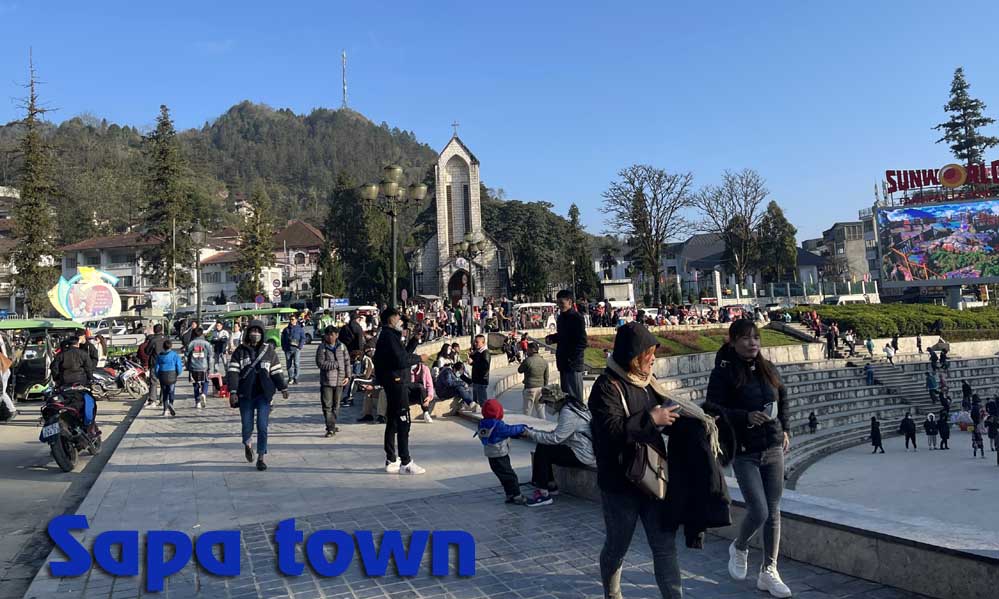
Sapa train booking - Welcoming a Famtrip delegation from 6 countries to survey Sapa is expected to expand connections and increase the flow of international tourists to the locality.


On the afternoon of April 8th, leaders of the Department of Culture, Sports and Tourism of Lao Cai province announced that in the first three months of 2026, the province welcomed approximately 3.5 million visitors, including more than 515,000 international tourists.

This is a welcome sign for international tourists visiting Lao Cai, especially from countries like China, South Korea, India, and the Philippines…

On April 7th, at Cat Cat tourist site, Sapa ward, the Department of Culture, Sports and Tourism of Lao Cai province, in coordination with the Vietnam Tourism Association and the Lao Cai Tourism Association, welcomed a Famtrip delegation from 6 countries including the Philippines, Singapore, Malaysia, Thailand, Indonesia and Azerbaijan to survey Sapa as a destination and connect tourism businesses.

The program takes place within the framework of the Vietnam International Tourism Fair - VITM 2026, focusing on exchanging cooperation opportunities, developing tour routes, improving service quality, and promoting the attraction of international tourists to Lao Cai.

Following the reception, the delegates spent most of their time on a B2B discussion session between local tourism businesses and the international survey team.

According to the leaders of the Department of Culture, Sports and Tourism, this Famtrip is not only an activity to promote the destination but also an opportunity for businesses from both sides to exchange specific information about tour routes, service prices, distribution mechanisms, and media coordination.

Lao Cai province also aims to develop tourism products that enhance authentic experiences, highlight cultural identity, cuisine, and community life to create a unique destination for Sapa.

During their survey trip, the delegation visited several tourist attractions in Sapa such as Sun World Fansipan Legend and Cat Cat tourist area, and expressed their admiration for the scenery, the friendliness of the people, the local cuisine, and the quality of service.

"Currently, the Department of Culture, Sports and Tourism has assigned 99 communes and wards to select 99 typical local dishes. Afterward, the province will establish a selection committee and develop them into 34 distinctive Lao Cai-style meals", a leader from the Department of Culture, Sports and Tourism said.

Source: https://sapatrainticket.com/travel-news/global-visitors-admire-sapa-culture-and-cuisine/

Heritage bays open interprovincial tourism waterway

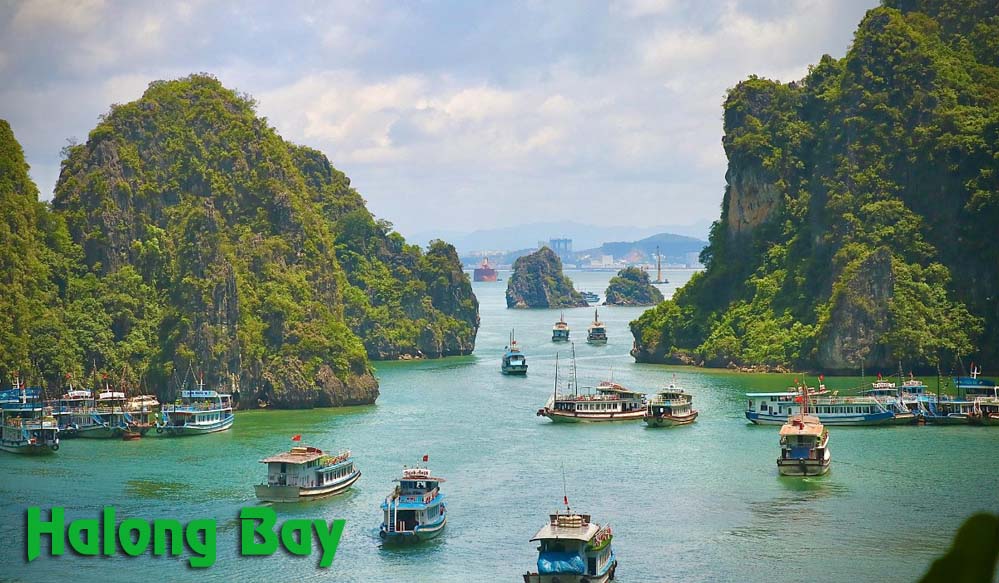
Indochina Junk - Quang Ninh province and Hai Phong city have implemented a plan for passenger transport across heritage areas, opening up a sea tourism route between Ha Long Bay and Lan Ha Bay.


This step aims to concretize the commitment between the two localities in promoting the value of the UNESCO-recognized Ha Long Bay - Cat Ba Archipelago World Natural Heritage Site.

The implementation of the coordination regulations signed on March 26th marks an important step in removing administrative boundary barriers in tourism development, creating inter-regional products for domestic and international tourists.

According to the Ha Long Bay - Yen Tu World Heritage Management Board, after the regulations come into effect, Ha Long Bay is expected to welcome an additional 5,000 to 6,000 visitors and over 50 overnight cruise ships from Lan Ha Bay each day.

To ensure efficient operation, the leaders of the Quang Ninh Provincial People's Committee requested relevant units to urgently complete and standardize vessel standards. Both localities also required all tourist boats and high-speed passenger vessels to install AIS or GPS equipment, maintain continuous connectivity, and share data between the Quang Ninh Port Authority and the Hai Phong Port Authority.

Besides facilitating licensing procedures and connectivity between the two bays, functional forces such as border guards, waterway police, and port authorities will strengthen management and strictly handle violations to ensure security, order, and a healthy tourism business environment.

Accordingly, overnight vessels belonging to a particular locality must anchor at designated anchorage points within that locality.

Tickets are expected to go on sale at Tuan Chau Port and Ha Long International Cruise Port starting from April 4th.

Ha Long Bay in Quang Ninh province and Lan Ha Bay in Hai Phong city are connected and considered a single complex with similar characteristics and topography. However, these two areas are managed and exploited differently, particularly in terms of tourism organization, which creates difficulties for businesses and tourists.

By 2023, Ha Long Bay - Cat Ba Archipelago was recognized as a World Natural Heritage Site, so implementing this tourism route aims not only to ensure security and safety of waterway traffic but also to achieve sustainable development and protect the value of the Ha Long Bay - Cat Ba Archipelago World Natural Heritage Site as recommended by UNESCO.

Source: https://indochinajunkcruises.com/travel-news/heritage-route-opens-linking-halong-bay-and-lan-ha-bay.htm

Monday, April 13, 2026

Exploring the mystical beauty of Thach Long pagoda

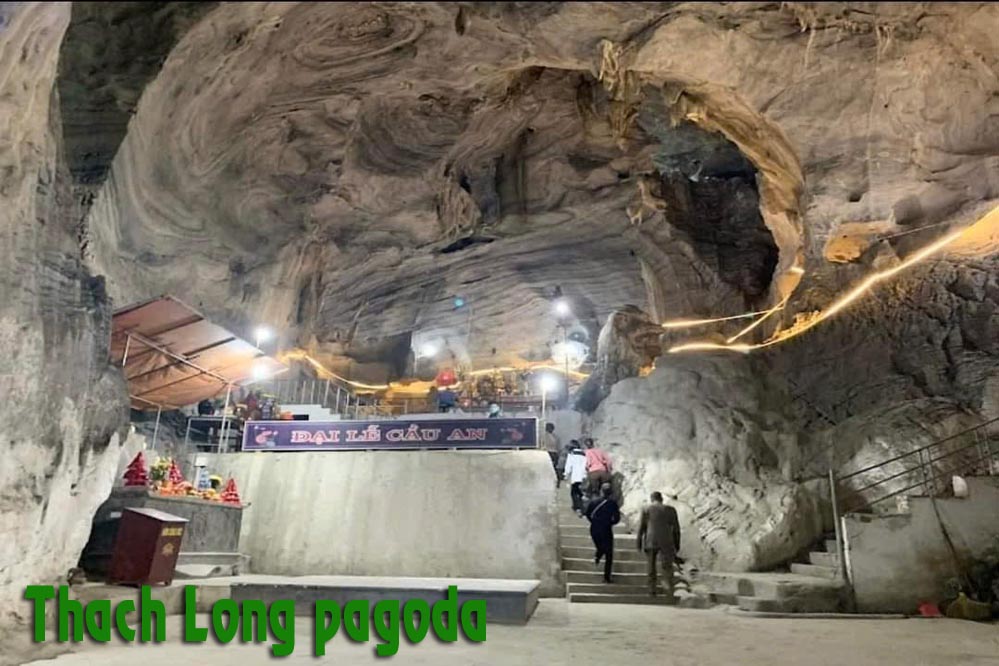
Northwest Vietnam travel - Nestled amidst the mountains and forests of Cao Ky commune, Cho Moi district, Bac Kan province, Thach Long Pagoda was once a secluded place of worship, little known to the public.


This place was originally a natural rock cave, its exterior resembling a dragon's head with its mouth open. The interior of the cave is divided into two parts: the Thien Temple and the Am Temple.

The Thien Pagoda section is located at the highest point, with a statue of Buddha Shakyamuni and a portrait of President Ho Chi Minh placed on the altar.

Thien Pagoda has many crevices that extend deep into the rock, creating a mysterious and sacred atmosphere. Am Pagoda, on the other hand, is located lower down and can only be reached by winding around the mountainside.

The cave of Am Pagoda is narrower but contains many natural stalactites with fantastical shapes, showcasing the majestic beauty of nature.

Besides being a place of spiritual worship, Thach Long Pagoda also holds a significant place in the history of the resistance war.

During the French and American wars, this place was used as a weapons depot for thre army.

The Thach Long Pagoda festival is held annually on the 7th day of the first lunar month, attracting many visitors from all over who come to offer incense and pray for good fortune and happiness for their families.

In recent months, the temple has become well-known not only for its history and scenery, but also thanks to the TikTok live streams of Venerable Thich Khai Quang.

In videos filmed inside the simple, rustic temple, Venerable Quang engages in friendly conversations with viewers, introducing local specialties such as dried vermicelli and shiitake mushrooms.

The monk's witty, humorous, and youthful way of interacting delighted the online community.

Teacher Quang said that, in addition to selling goods to help increase the temple's income for living expenses and facility repairs, he also takes advantage of his free time to work as a construction laborer in the afternoons, earning 150,000 VND a day.

Livestreaming is not only a way to make a living but also a way to connect with and spread the image of the ancient stone temple and local culture in a simple and intimate way.

According to the local leader, Venerable Quynh's Buddhist name is Thich Khai Quang, and he has been practicing Buddhism and overseeing Thach Long Pagoda for about 8 years now.

Thach Long Pagoda is not only a place preserving cultural values and a spiritual destination, but it has also become a new symbol as a young monk diligently preserves and promotes the traditions of this ancient pagoda nestled in a cave in Bac Kan.

Source: https://northwestvietnamtours.com/blog/ancient-cave-temple-of-thach-long-pagoda.php

Inside Tien Ca cave - A hidden underground wonderland

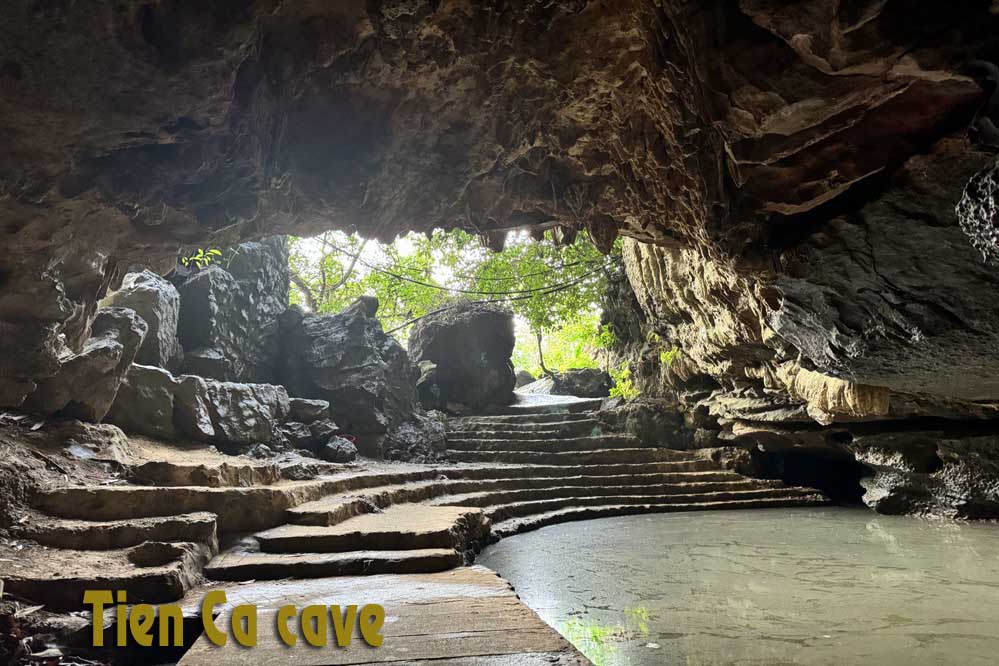
Ninh Binh tours - Tien Ca (Mermaid) Cave in Thung Nham tourist area (Ninh Binh) attracts visitors with its magical stalactite formations and the experience of walking on a 500m-long floating bridge through the limestone mountain.


Mermaid Cave is one of the most unique underwater karst (limestone) caves located within the Thung Nham ecological tourism complex in Ninh Binh province. With a length of over 500m, a widest point of 40m, and a ceiling height of up to 30m, it is an ideal destination for those who love exploring the pristine beauty of nature.

Unlike many underwater caves in Ninh Binh that require boat tours, visitors to Tien Ca Cave can experience a walking journey on a system of winding floating bridges close to the underwater surface. This approach allows viewers to observe each geological formation up close.

The interior of the cave is airtight, always cool, and carries a slight chill characteristic of the underground water flowing from the rocky mountains. Venturing deep inside, visitors will feel as if they have wandered into a magnificent palace at the bottom of the ocean.

The name "Mermaid Cave" originates from the rich system of stalactites and stalagmites sculpted by nature over hundreds of millions of years. These sparkling, diamond-like formations have bizarre shapes reminiscent of coral reefs, dolphins, or elephant heads. Particularly noteworthy is a meticulously carved statue of a mermaid inside the cave, commemorating the legend of the mermaid-shaped stalactites that once appeared there.

Furthermore, the cave's unique highlight lies in its alternating open spaces. Here, natural light from the outside filters through the crevices in the rocks, creating magical patches of light and shadow on the calm, emerald-green water. The harmonious blend of rock, water, and light makes this place a "precious gem" in the heart of the heritage site.

According to a representative of the tourist area, before being given its current elegant name, this place was simply called "Fish Cave." The reason is that it was home to two rare fish species: the royal snakehead fish and the Tong Truong perch. These fish live in the pure, cold waters of the Truong Yen - Thung Nham limestone mountain range and were once caught by locals to offer to the emperor.

Some notes about visiting Tien Ca (Mermaid) Cave

- You have to cross an iron bridge leading underground and conquer about 40 steep iron steps to get deep inside the cave.

- Clothing: Choose shoes with good grip as some sections of the stone steps may be wet. Some of the cave walls are quite low, requiring visitors to squeeze or bend down to pass through.

- Best time to visit: The cave is suitable for visiting year-round thanks to its sheltered space, which is warm in winter and cool in summer.

With its pristine yet magnificent beauty, Tien Ca Cave is not only a popular check-in destination for international tourists but also a unique cultural and geological space that helps visitors understand more about the wonders of Ninh Binh's nature.

Source: https://ninhbinhtraveltour.com/blog/walking-through-nature-masterpiece-at-tien-ca-cave.asp

Saturday, April 11, 2026

Escape Hanoi hustle to these nature havens

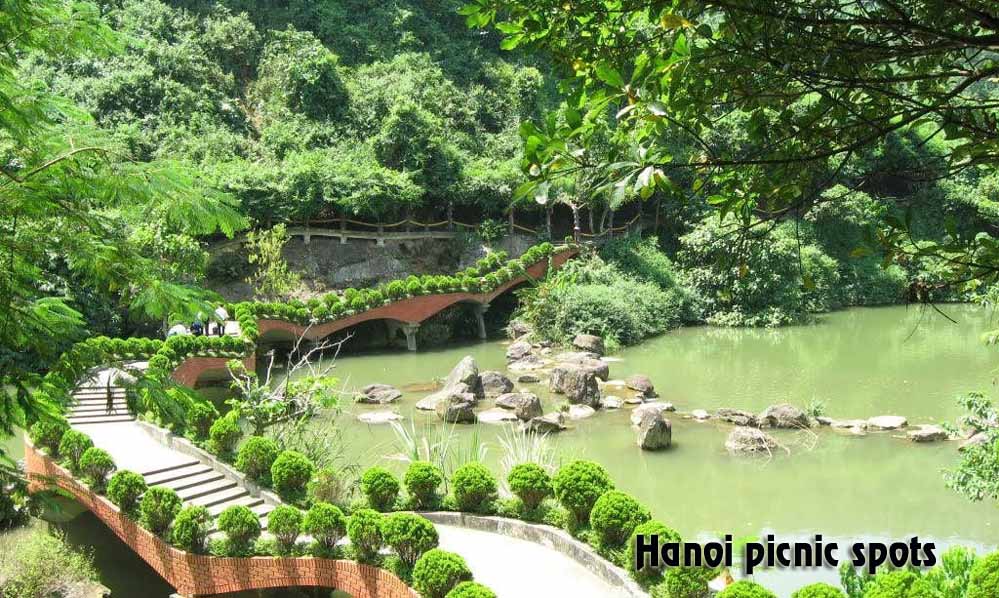
Hanoi travel - Hanoi is a vibrant and bustling capital city, but sometimes, we all need a break from the hustle and bustle to reconnect with nature, explore new places, or simply relax and unwind. Fortunately, there are many attractive destinations around Hanoi, perfect for short weekend getaways or short vacations. Here are 4 must-see destinations near Hanoi that many people love to visit for a short time. Each location has its own unique characteristics, offering memorable experiences for visitors.


Son Tinh Camp (Dong Mo, Hanoi)

Son Tinh Camp, located in Dong Mo, is situated within the grounds of the Vietnam National Ethnic Culture Village. Nestled on a peninsula surrounded on three sides by Dong Mo Lake, deep within a pristine forest, it has long been a favorite picnic spot for families due to its fresh air and close connection with nature.

With an entrance fee of 30,000 VND per person: You will be free to visit Son Tinh Camp and participate in the games available at the camp such as stilt walking in tin cans, blindfolded pot smashing.

At Son Tinh Camp, both parents and children will be immersed in a spacious, cool natural environment, a stark contrast to the dusty, crowded city. The whole family can participate in nature exploration activities such as boating, bird watching, fruit picking, campfires, and more. Additionally, you can take your children to visit the ethnic minority cultural village to learn more about the different ethnic groups of Vietnam.

At Son Tinh Camp, families can especially enjoy a BBQ party. While the moms grill the food, the kids can run around on the grass, the dads can go fishing, or sip coffee. This makes for a fantastic weekend getaway for the whole family!

Ecopark

Ecopark, located in southeastern Hanoi, is a popular destination for families looking for a day trip. You can choose to travel to Ecopark by motorbike or taxi. Additionally, the urban area offers convenient free bus services from downtown Hanoi to Ecopark.

Here, you can immerse yourself in the lush greenery of Spring Park and Summer Park, and there's even a dedicated playground for children called Kolorado. Additionally, you can enjoy outdoor activities such as swimming, tennis, and cycling at the clubhouses within the urban area.

When you're tired from playing and want to rest and eat, there are plenty of restaurants offering a wide variety of dishes from different culinary cultures, as well as many cafes with stunning views waiting for you to choose from.

If you have free time, the whole family can stop by Bat Trang pottery village and Dong Du guava orchard nearby for further sightseeing, fun, and exploration. Besides that, places like Nom Pagoda, Sung Phuc Zen Monastery, Xuan Quan and Phung Cong flower villages, and the Chu Dong Tu - Tien Dung Temple will also attract you to visit…

Thien Son - Suoi Nga (Ba Vi)

Thien Son - Suoi Nga Eco-tourism Area is located 60 km west of Hanoi, on the eastern side of the Ba Vi mountain range, also known as Tan Vien mountain. This area preserves the legend of King Hung's selection of sons-in-law, a contest of strength and skill between Son Tinh and Thuy Tinh. The tourist area comprises three sections: Ha Son at the foot of the mountain, Trung Son halfway up, and Ngoa Son at the summit - the starting point of the famous Cong Troi waterfall.

The air here is cool year-round, especially in summer. Thien Son - Suoi Nga is home to many rare animals such as civets, deer, pythons, monkeys, and birds like starlings and parrots, along with a system of picturesque streams and waterfalls, creating ideal conditions for this area to be recognized as a special tourist destination..

Along the cliffside, a row of stilt houses, designed with vines enveloping them, covers the tiled roofs and walls completely. During the flowering season, the entire row of stilt houses seems to burst into bloom, bathed in a kaleidoscope of colors. These stilt houses are also known by the beautiful name "Viewing Pavilion." You can sit in the viewing pavilion, relax, listen to the birds chirping amidst the cool, pleasant air, or take a swan boat ride on the lake nestled among the mountains.

To fully appreciate the beauty of Thien Son Suoi Nga, take a stroll from Ha Son to Trung Son. Walking along the mountainside for about 1.5 km, you'll hear the lush green trees along the way, listen to the birds singing, the streams babbling, and pass through beautiful stretches of sparse forest. Thien Son Suoi Nga also features a swimming pool and an artificial waterfall, located within the resort complex in the Trung Son area.

Trung Son area is a popular stop for tourists to rest and have lunch. You can rent a spot in the stilt houses for convenient rest and meals at a very reasonable price (around 50,000 VND a table). In addition, there are also mountain and seafood specialties to suit different tastes. Tourists can choose dishes that suit them.

Yen So Park

Located at the southern gateway and considered a green lung of the capital, Yen So Park (Hoang Mai District, Hanoi) officially opened to the public free of charge from the afternoon of April 4th.

As the largest urban park in Vietnam and Hanoi's largest green space, Yen So Park covers a total area of 323 hectares. Since its opening, it has featured numerous structures such as an art exhibition hall, boathouse, outdoor theater, maze garden, cultural village, and many other landscaped areas.

With its fresh air, Yen So Park is increasingly attracting visitors for recreation and relaxation, especially on weekends and holidays. Here, you can also rent boats, bicycles, tents, and even BBQ grills to organize a truly enjoyable picnic.

Source: https://hanoitraveltour.com/blog/weekend-getaways-near-hanoi-worth-exploring.htm

Legends of Hmong Kings in Northern Vietnam highlands

Ha Giang Tours - If you go to Son La or Dien Bien, you can't miss the story of King Thai Deo Van Long; if you go to Lao Cai, you can't miss hearing about the Hmong King Hoang A Tuong; and if you go to Ha Giang, you must know about the father and son, the Hmong King Vuong Chinh Duc and Vuong Chi Sinh.


But before mentioning the Hmong King and his son, we cannot fail to mention the historical migration of the Hmong people from the North to the South.

The Dong Van Stone Plateau is a land where the Hmong, Lo Lo, Tay, Dao, and other 17 ethnic groups have lived together for generations. According to historical records, the Hmong appeared in Dong Van around the late 17th and early 18th centuries, later than other ethnic groups. However, the Hmong are the most dominant ethnic group, accounting for 77% of the population of the Dong Van region, and are also the ethnic group that has left the most significant mark on this land.

The Hmong were once a large ethnic group living in the Jingzhou-Jianghuai region (now part of Hunan and Guizhou provinces, China), part of the Miao-Yao tribal alliance formed over a period of 5000 years. Throughout their history, the Hmong in Jingzhou-Jianghuai shared a common characteristic with the Vietnamese people: they were constantly threatened by the Han dynasty from the north.

During the Han dynasty's most prosperous period, the Han army unified China, subdued major tribes, and invaded neighboring countries. In China, the Hmong were a large ethnic group that the Han dynasty both hated and resented. The Hmong, intelligent, courageous, and exceptionally brave, were considered by the Han dynasty to be a threat to the survival of the Han dynasty, so for generations, Han emperors sent troops to subdue the Hmong. But the Han conquests all failed due to the fierce resistance of the Mongols.

However, to protect the survival of their people, the Mongols in Jingzhou-Jianghuai paid a heavy price. Each century, wars caused the Mongol population to dwindle, with the elderly, women, and children outnumbering men. At the end of the 17th century, a fierce battle occurred between the Mongol clan and the Han dynasty.

The Mongol leader in Jingzhou-Jianghuai then rallied the men to rise up against the Han dynasty once again. This was also the battle that inflicted the greatest losses on the Mongols, driving them south. After this battle, faced with the casualties suffered by his people, the Mongol leader in Jingzhou-Jianghuai made a final decision to protect his race and to permanently free his people from further territorial wars.

The leader called upon the Hmong people: "All the great clans, go south. Go to the highest, most remote lands, places no one has ever set foot in, and stop there, build houses, cultivate fields, marry, and have children. That will be the new homeland of the Hmong people."

Following the call of that Hmong leader, the Hmong people in Jingzhou-Jianghuai (in Guizhou province) left their homeland and migrated south in the largest migration in the history of the Hmong people. This migration brought the Hmong people to the northern regions of Vietnam. The command given by the Hmong leader was strictly followed by the Hmong people: they chose the highest, most remote, and most desolate mountainous areas to settle and establish new homelands and villages. This explains the Hmong people's habit of living in sparsely populated mountainous areas.

During that migration, the Dong Van Karst Plateau was one of the places chosen by the Hmong people as their new homeland. Even now, the Hmong people of Ha Giang still recount their ethnic history through songs: "Guizhou is the beloved homeland of our Hmong people. Because our Hmong people were poor and hungry, because our Hmong people were illiterate, and lost their land to the Han Chinese in a lawsuit, because our Hmong people were illiterate, we had to move our homeland to this land".

The migration of the Hmong people to the Dong Van karst plateau marked a significant period in the history of the Hmong people, with the formation of Hmong kings whose prestige resounded throughout the northern mountainous region. At the beginning of the 18th century, Dong Van had around 100,000 Hmong people, including the Vang, Duong, and Ma clans…the largest clans. Each clan had its own customs, its own worship practices and way of life, in addition to the characteristic customs of the Hmong people. Each clan also had a leader unanimously elected by the entire clan. These clan leaders were responsible for protecting the safety and vitality of the entire clan, and most came from the most prestigious and wealthy families within the clan.

However, King Vuong Chinh Duc - the first Hmong King in Dong Van - did not have such a noble background. King Vuong Chinh Duc came from a poor family. He was the son of a poor Hmong family named Vang. Before being known as Vuong Chinh Duc, he was born in Sa Phin - Dong Van with the name Vang Dung Lung. Vang Dung Lung had a difficult childhood. His father died at a young age, and Vang Dung Lung had to...

But Vuong Chinh Duc - the first Hmong King of Dong Van - did not come from such a noble background. King Vuong Chinh Duc was from a poor family. He was the son of a poor Hmong family named Vang. Before being known as Vuong Chinh Duc, he was born in Sa Phin, Dong Van, under the name Vang Dung Lung. Vang Dung Lung had a difficult childhood. His father died at a young age, and he had to work hard with his mother and older brother, Vang Tra Po, to survive. But the elders in Dong Van, especially in Sa Phin - the hometown of Vuong Chinh Duc - Vang Dung Lung, say that his parents, grandparents, and those who witnessed his growth all saw early on the characteristic temperament of an intelligent, courageous Hmong person, always exploring the land around him.

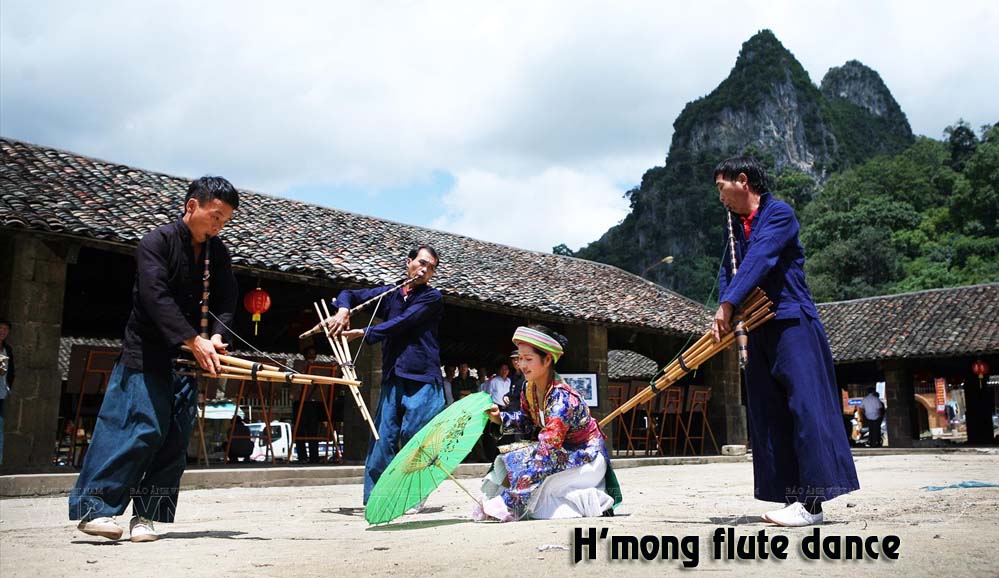
From a young age, Vang Dung Lung was very active and intelligent. At the age of 10, Vang Dung Lung was already wandering on foot through the high mountains of Meo Vac. There wasn't a single village he hadn't visited. There wasn't a single Hmong person in Dong Van he hadn't met. Vang Dung Lung usually only returned home when he suddenly realized he had been away for too long, and often when he came home, his mother almost didn't recognize her son, who seemed to have aged and become more experienced with each departure. By his youth, Vang Dung Lung was a brave and courageous Hmong young man, unafraid of tigers or wild animals when venturing into the forest, and renowned throughout the high mountains of Dong Van for his masterful flute playing.

When the Hmong began their migration south and settled in Dong Van, the Hmong leader, whose story is passed down in Hmong history, dreamed of a peaceful life for his people in this new land, free from the bloodshed and death that had plagued their history. But that leader's dream did not come true. The time when Vàng Dúng Lùng was born and raised coincided with the period when Vietnamese feudal history witnessed the invasion of Western colonial powers. After subduing the Nguyen dynasty, the French colonialists began to conquer the ethnic minorities in the northern mountainous region, including Dong Van.

At the same time, the Manchu Qing dynasty also advanced into Dong Van, intending to eliminate the Hmong rebels forming there, fearing that these insurgent groups could endanger the Manchu Qing dynasty's rule in the border region with Vietnam.

In Dong Van, there were also rebel groups from China who had migrated there, plotting to seize Dong Van.

Faced with this threat, the Hmong people of Dong Van, under the leadership of their leader Vu Phan Lung, rose up, ready to fight the Qing army and the French troops advancing into Dong Van. Among Vang Dung Lung's Vang family, there was also a follower of Vu Phan Lung in fighting the invaders, Vang Di Tua. During that uprising, Vu Phan Lung was betrayed and killed, and the Mong people in Dong Van were brutally murdered by Chinese rebel groups who had drifted into Dong Van at that time.

Vang Di Tua, elected by the Mong people of Dong Van as their leader, also died not long after from illness. Once again, the Mong community reunited. Vang Dung Lung rose to become the Mong leader in place of Vang Di Tua. Under Vang Dung Lung's leadership, the Mong people of Dong Van repelled the rebels in Dong Van, unifying the entire Dong Van region. Building on this success, the Mong people of Dong Van continued to fight alongside Vang Dung Lung, together with their leader, against the French.

The French, after advancing to Cao Bang and Ha Giang and consolidating their forces, began their conquest of Dong Van for over 10 years, starting in the early 1900s, with the determination to completely dominate the region and place it under their colonial rule. When carrying out this conquest, the French were very confident in their strength and ability to subdue a small, backward, and impoverished ethnic group in the high mountains.

But the French did not foresee the difficulties in Dong Van. Even after establishing garrisons in Dong Van, even after inflicting countless casualties on the Mong people of Dong Van, they still could not subdue them.

Only when they understood the customs and culture of the Mong people did the French realize that the only way to temporarily rule them was to accept a Mong leader - a leader whom any Mong person would readily obey. And they chose leader Vang Dung Lung. To secure this alliance with the Mong leader, the French signed a peace treaty with Vang Dung Lung, committing to withdraw completely from Dong Van and granting the Mong people autonomy under the supervision of a French garrison in Dong Van and an administrative unit of the Nguyen dynasty.

At the same time, the Nguyen dynasty also appointed Vang Dung Lung to the position of Bang Co official, governing the Dong Van region. Vang Dung Lung was also given a hat, official robe, and received a salary from the Nguyen dynasty. From then on, Vang Dung Lung began to enter the history of the Dong Van region under the name Vuong Chinh Duc.

He became the Hmong King as a matter of course in the minds of the 70,000 people of Dong Van, the leader who protected the people of Dong Van from the bombardment and slaughter of the French colonialists. Therefore, although he was a Hmong, he was also revered by other ethnic groups in Dong Van.

The pronouncement of the feng shui master and the mystery of the power of the land where the Hmong King's mansion was built

It is undeniable that Vuong Chinh Duc played a crucial role in a turbulent period of history, helping the Dong Van plateau, with its 70,000 inhabitants, achieve a certain degree of autonomy, avoiding the exploitation of the colonialists like other areas in Dong Van. At that time, the Hmong people in Dong Van mainly lived by cultivating opium poppies.

After signing the peace treaty with France, Vuong Chinh Duc also reached an agreement with the French regarding the purchase and sale of opium. The French were forced to accept buying opium from the Hmong King Vuong Chinh Duc at double the previous price. Thanks to this agreement, the Hmong people of Dong Van enjoyed a long period of prosperity thanks to opium cultivation. Vuong Chinh Duc quickly became wealthy, possessing the largest mansion and assets in the rocky plateau region.

The current residence of the Hmong King in Sa Phin (Dong Van) is the one built by Vuong Chinh Duc during his most powerful period. According to researcher Hung Dinh Quy, the land that the Hmong King Vuong Chinh Duc chose to build his mansion was auspicious according to feng shui, shaped like a turtle shell, with the mansion situated right in the center of the highest point of that shell.

Among the legends passed down by the Hmong people of Dong Van about Vuong Chinh Duc, many stories are true, while many others are embellished and passed down orally. However, according to researcher Hung Dinh Quy, one story is relatively accurate: the story of why the Hmong King Vuong Chinh Duc chose that particular piece of land to build his house.

The story goes that when Vuong Chinh Duc was a young boy who often wandered through the remote corners of the Dong Van mountain region, one day a group of Chinese merchants passed through Dong Van and stopped to rest near a tortoise-shell shaped plot of land in Sa Phin.

Among the merchants was a very skilled feng shui expert who, upon seeing the empty plot of land, suddenly exclaimed: "This land is so beautiful. Whoever builds a house here will either become a king or a high-ranking official, respected and worshipped by all, enjoying endless wealth and prosperity for generations to come." At that time, Vuong Chinh Duc (then a young boy named Vang Dung Lung) was sleeping on a tree branch directly above the skilled feng shui expert and overheard the conversation.

The young Vang Dung Lung decided that he would definitely build a house on that plot of land. Later, when he became a Hmong leader in that war, Vang Dung Lung remembered the feng shui master's words from years ago and sent people to build a house on that tortoise-shell shaped plot of land. Since building his house on that land, Vuong Chinh Duc increasingly asserted his authority in Dong Van.

His prestige also increased with each victory he achieved as a leader. After signing an agreement with the French, possessing a large fortune, Vuong Chinh Duc had his house in Sa Phin built into a grand mansion, befitting his status, right on that turtle-shell-shaped piece of land. According to researcher Hung Dinh Quy, the mansion that the Hmong King Vuong Chinh Duc built in Sa Phin differed from the architecture of ordinary Hmong houses.

According to the Hmong people's long-standing tradition, a mansion with that shape was reserved only for kings and the most prestigious people in the region. However, almost no Hmong people living during Vuong Chinh Duc's time saw such architecture. After the migration, many aspects of Hmong culture were lost due to war, including the majestic houses described in Hmong folk songs.

And King Meo Vuong Chinh Duc built his house according to his vision of a house inspired by the folk songs of the Hmong people that he had read. To this day, the King Meo's mansion in Sa Phin remains a must-visit for anyone who sets foot on the Dong Van karst plateau. It witnessed the most powerful years of the Dong Van King Meo family, until his descendants left Dong Van for other lands, following the changes of history.

Source: https://hagiangtraveltour.com/blog/epic-migration-of-hmong-people-to-dong-van-karst-plateau.asp
Sunday, February 15, 2026

Halong Bay welcomes traditional red sails enhancing scenic beauty

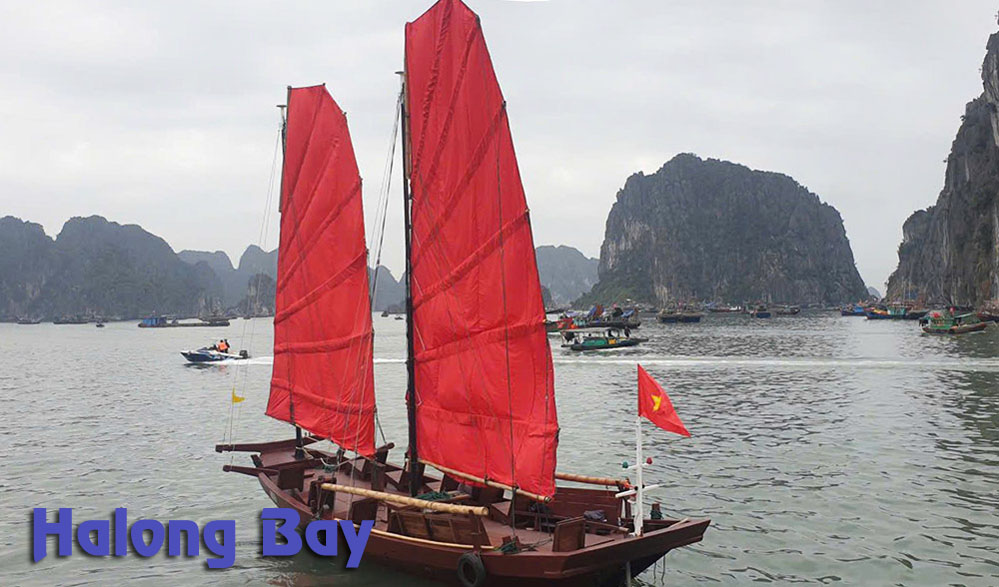
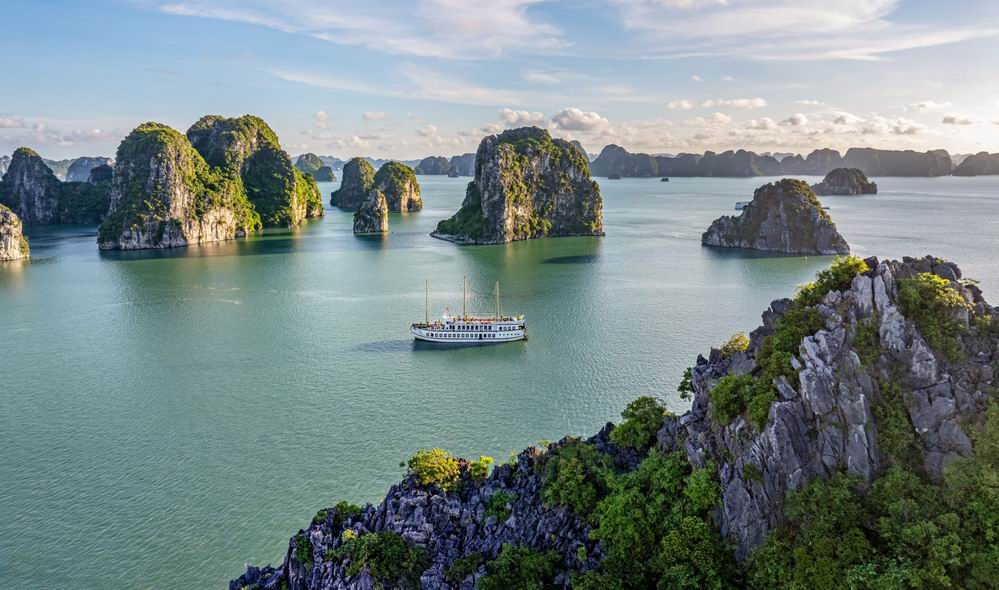
Cruise in Halong Bay - The vibrant red sails gliding across Ha Long Bay have attracted the attention of both locals and tourists in recent days.


Ha Long Bay, Bai Tu Long Bay, and Yen Tu National Forest are areas of exceptional value for nature, environmental, and cultural conservation, and play a key role in maintaining biodiversity and ecological balance.

These special-use forests create a unique ecological space, harmoniously connecting forests, seas, and limestone mountains, contributing to climate regulation, water resource protection, and erosion control. They also form an important ecological belt, contributing to the protection of the Ha Long Bay World Natural Heritage Site and the buffer zone of Bai Tu Long Bay.

In particular, Yen Tu National Forest is also closely associated with the historical, cultural, and spiritual depth of the Truc Lam Zen sect, creating a unique heritage space with special spiritual value within the Yen Tu - Vinh Nghiem - Con Son - Kiet Bac World Heritage complex.

According to representatives of the Ha Long Bay - Yen Tu World Heritage Management Board, special-use forests protecting the landscape not only have conservation significance but also serve as a foundation for developing sustainable ecotourism, resort tourism, and nature experiences. Rational exploitation will contribute to diversifying tourism products, creating livelihoods for local communities, and promoting socio-economic development.

In parallel with the ecotourism project, the unit is also developing and submitting to competent authorities for approval a sustainable forest management plan for Ha Long Bay, Bai Tu Long National Park, and Yen Tu National Forest for the period 2026-2030.

At the same time, major projects such as enhancing the value of the World Natural Heritage site of Ha Long Bay and preserving and promoting the value of the Yen Tu historical site within the Yen Tu - Vinh Nghiem - Con Son - Kiet Bac World Cultural Heritage complex are also being implemented.

It is expected that in 2026, the Management Board will continue to finalize the Plan for Sustainable Tourism Development of Ha Long Bay World Heritage Site until 2035, with a vision to 2050.

In addition, coordinate with relevant units to accelerate the completion of infrastructure for waterways, ensuring that 3 sightseeing and tourism routes within Bai Tu Long National Park are ready for operation, and advise on connecting the routes of Ha Long Bay with Lan Ha Bay.

Future development orientations also focus on strengthening regional linkages, connecting tourism in Ha Long Bay - Bai Tu Long Bay - Van Don; and linking Ha Long Bay tourism with the Yen Tu - Vinh Nghiem - Con Son, Kiet Bac heritage chain and other tourist areas and destinations in the province.

Besides renewing and improving the quality of existing tourism products, the Management Board will focus on developing new tourism product chains, prioritizing beach and island tourism, ecotourism, high-end resort tourism, and cultural, spiritual, and heritage tourism.

In particular, offshore tours such as Ha Long Bay 3 and Ha Long Bay 4 will be organized and exploited in a scientific and rational manner, ensuring they are compatible with the carrying capacity and sustainable development space of Ha Long Bay and Bai Tu Long Bay.

Source: https://cruise-halong-bay.com/news/ancient-boat-designs-shine-in-halong-bay.asp

Perfume Pagoda Festival strengthens cultural and spiritual tourism

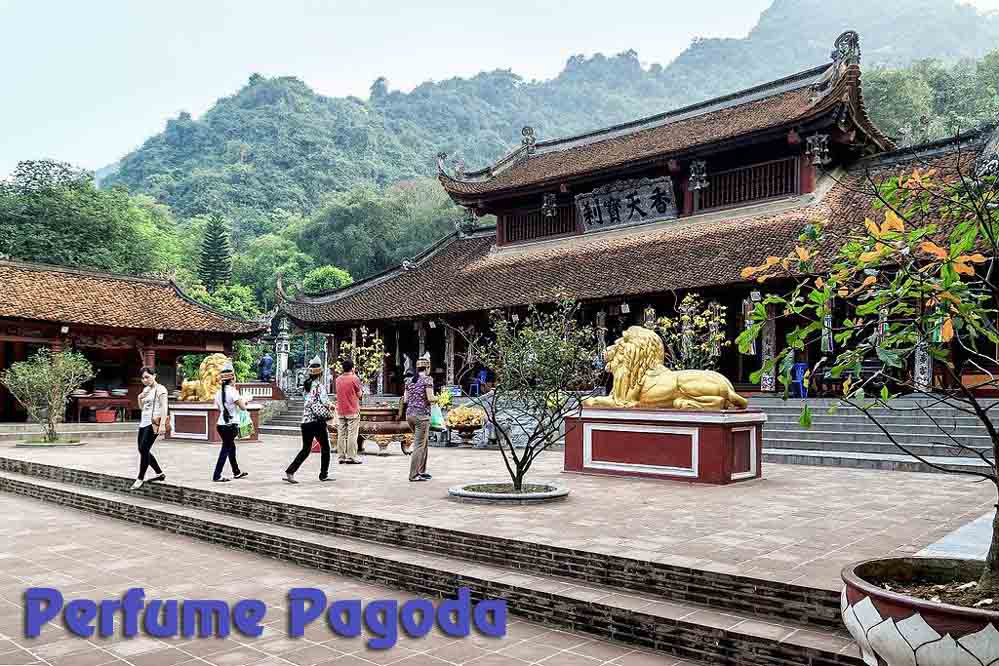
Budget Vietnam tours - The Perfume Pagoda festival 2026 is being held in the context of Hanoi's goal of developing the area into a national tourist destination. Along with renovating the space and replanning the docks, the organizing committee has also announced the pricing structure for boat tickets, scenic spots, and cable car rides for the upcoming festival season.


The 2026 Festival takes place at a crucial time, as Hanoi aims to develop this special national historical site into a national tourist area by 2026, while simultaneously completing the dossier to submit to UNESCO for recognition of as Perfume Pagoda a World Natural and Cultural Heritage site by 2030.

According to the plan, the festival will have the overarching theme of "Safety - Friendliness - Quality", organized in accordance with legal regulations, ensuring solemnity and civility, while also meeting the cultural and spiritual needs of the people and tourists. The festival will take place from February 18th to May 11th, which is from the 2nd day of the first lunar month to the 25th day of the third lunar month of the Year of the Horse, the opening ceremony will be held on February 22nd (the 6th day of the first lunar month).

The festival space encompasses the entire complex of historical relics with 4 main tour routes, including 20 temples, pagodas, and Buddhist caves. The main ceremonies are held at Thien Tru Pagoda, Huong Tich Cave, and the system of temples and pagodas in the area, ensuring the preservation of solemnity and sacredness.

A notable aspect of this year's festival season is the intensified efforts to reorganize and re-plan wharves and service spaces. Authorities are focusing on addressing land encroachment and unauthorized trading within protected historical sites, reclaiming public land whose use rights have expired, and gradually restoring open and unobstructed landscapes in key areas such as Yen Stream, ferry docks, Thien Tru Pagoda, and Huong Tich Cave.

Simultaneously, the management model is implemented according to the "six clear principles": clear person, clear task, clear time, clear responsibility, clear product, and clear effectiveness. Security and order , road and waterway traffic safety, fire prevention and control, rescue operations, food safety, healthcare, and environmental sanitation are given top priority.

From the 2026 festival season onwards, the organization and management activities will be enhanced with digital transformation: entrance tickets and boat tickets will be electronic and QR code-based; AI camera systems will be installed at key locations; and an operations center and hotline will operate continuously to receive feedback from tourists.

Regarding ticket sales, visitors can purchase tickets directly at six fixed locations, including parking lots 1 to 4, the Sao Sa parking lot management office, the Yen parking lot management office; at the automatic ticket vending machine at Thien Tru parking lot; or online on the festival website.

Electric vehicles continue to be piloted on the routes of Hoi Xa - Yen Vy ferry terminal, Duc Khe - Truot Dong Cu ferry terminal (opposite Trinh Temple) and Road No. 1 - Tuyet Son pagoda terminal at a price of 20,000 VND/person/trip.

For boat transportation, the Organizing Committee operates according to a set schedule. The Huong Tich route uses an adult ticket price of 120,000 VND for the scenic area and 110,000 VND for the boat fare, totaling 230,000 VND per trip; a discounted ticket is 170,000 VND per trip; children are free of charge for the scenic area but pay 65,000 VND for the boat fare.

The Long Van - Tuyet Son route does not charge an entrance fee; the boat ticket costs 85,000 VND per trip for adults and 50,000 VND per trip for children. For private trips, additional boat tickets must be purchased, with a minimum of 6 people per vessel.

With the cable car service, the operating plan is designed to be flexible, prioritizing the elderly, children, pregnant women, and people with disabilities; and is ready to temporarily suspend operations when the Huong Tich Cave area becomes overloaded.

Round-trip cable car tickets cost 260,000 VND per adult and 180,000 VND per child; one-way tickets cost 180,000 VND and 120,000 VND respectively; discounted tickets are equivalent to one-way fares.

Following the traditional festival season, from May to December 2026, Huong Son commune will continue to implement year-round tourism activities , organize cultural, sports, and art events; promote local agricultural products and specialties; and develop meditation, ecological, and spiritual tourism.

With comprehensive preparations ranging from planning of wharfs and parking areas, tightening service management, to transparent announcement of ticket prices, the 2026 Perfume Pagoda Festival is expected to be safe, civilized, and lay the foundation for sustainable development, contributing to making Perfume Pagoda a typical cultural and spiritual destination of the capital and the whole country.

Source: https://budgetvietnamtours.com/news/hanoi-plans-perfume-pagoda-as-national-tourist-destination.asp

Wednesday, February 11, 2026

Ethnic identities drive surge in international interest for Sapa tourism

Train Hanoi to Sapa - In January 2026 alone, Lao Cai province is estimated to have welcomed over 951,000 tourists, reaching 8.43% of the annual plan. This result demonstrates the strong appeal of tourism in Lao Cai, especially in the international market.


Lao Cai, with its experiential tourism, ecotourism, and cultural tourism products linked to the unique identities of its ethnic groups, continues to be a highlight, attracting the attention of a large number of tourists.

Located right in the heart of Sa Pa ward, this tourist destination, run by a community-connected cultural cooperative, is a popular meeting point for many foreign tourists whenever they visit. Although it only opened at the beginning of 2026, it welcomes thousands of visitors each week who come to explore, experience, and use its services.

Ms. Hoang Thi Vuong, General Director of the Community Connection Cultural Cooperative, said that building cultural tourism products associated with the identity of ethnic minorities has created a great attraction for tourists.

"This space is a miniature Sapa, showcasing the cultural life of the Mong, Dao, Tay, and Xa Pho ethnic groups. We invite artisans to perform for tourists. After a short time, visitors want to come and interact and explore. Every weekend, we have 200-300 visitors". Vuong said.

In the overall tourism landscape of Lao Cai, Sa Pa continues to be the brightest spot with over 345,000 visitors, accounting for approximately 36% of the province's total. A series of tourism events organized by the local authorities, with the highlight being the winter festivals associated with the New Year celebrations, attracted hundreds of thousands of domestic and international tourists.

According to To Ngoc Lien, Chairman of Sa Pa Ward, the locality is focusing on improving transportation and tourism infrastructure, and strengthening links with satellite communes to diversify tourism products.

Lien said: "We divided the areas into zones such as: areas needing urban development and infrastructure, areas needing preservation, and areas for developing homestays with high standards. We also delineated areas that need preservation, areas for tourism development, and areas for homestay development to create a connected and integrated area".

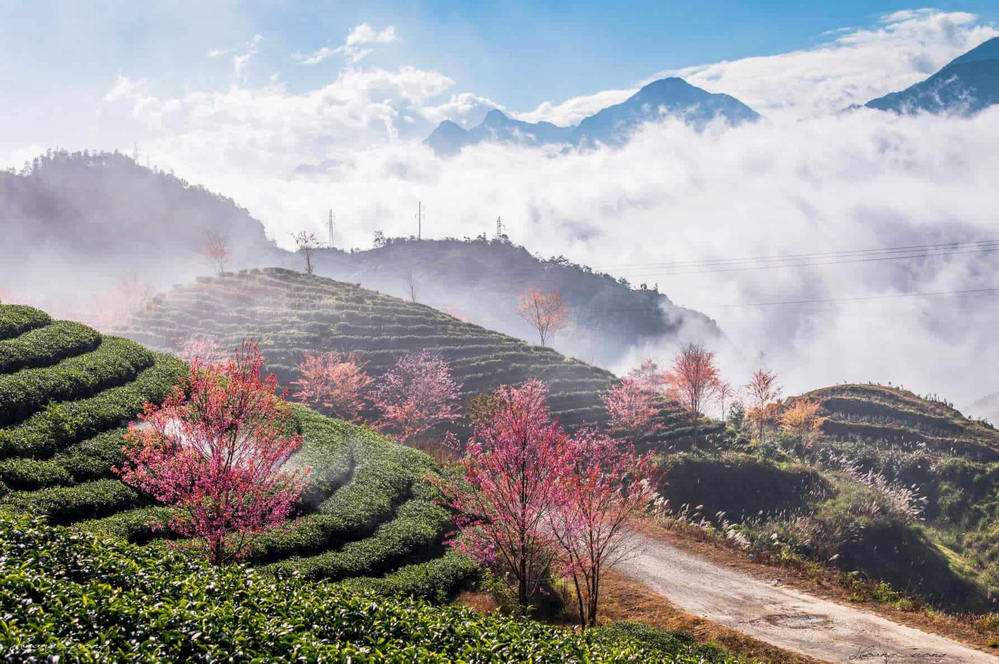
Along with Sa Pa, neighbouring destinations such as Mu Cang Chai, Y Ty, and Bac Ha have also recorded a high increase in visitor numbers. From the vibrant flower seasons to the sweet fruit ripening seasons, these localities are effectively exploiting their natural advantages to develop tourism. In Bac Ha, the plum blossoms covering the hillsides have left many tourists amazed and delighted.

A tourist from Hanoi, said: "I think this is a gift from nature to the people in this mountainous region, enabling them to develop their economy and change their lives."

Sa Pa continues to be the biggest highlight with over 345,000 visitors, accounting for approximately 36% of the total number of visitors in the province.

Director of the Department of Culture, Sports and Tourism of Lao Cai province, said that with positive signs from the beginning of the year, Lao Cai has high expectations for a breakthrough year in tourism.

"With the efforts of the tourism industry, the business community, and the localities, we are confident and hopeful that the above goals will be realized by 2026," Binh said.

In 2026, Lao Cai aims to welcome over 11 million tourists, including 1.5 million international visitors, with total tourism revenue reaching 51,000 billion VND. The positive signs in the first month of the year are further boosting confidence for Lao Cai's tourism sector, paving the way for a successful and sustainable year of development.

Source: https://sapatrainticket.com/travel-news/sapa-remains-leading-destination-for-in-northern-vietnam/

Ecotourism in Halong and Bai Tu Long Bay balancing conservation and development

Indochina Junk - The Management Board of the Ha Long Bay - Yen Tu World Heritage Site is implementing a plan to develop tourism products that meet international standards for submission to competent authorities for consideration. One of the key contents is the Project on ecotourism, resort, and entertainment in the protected special-use forests of Ha Long Bay, Bai Tu Long Bay, and Yen Tu National Forest.


Ha Long Bay, Bai Tu Long Bay, and Yen Tu National Forest are areas of exceptional value for nature, environmental, and cultural conservation, and play a key role in maintaining biodiversity and ecological balance.

These special-use forests create a unique ecological space, harmoniously connecting forests, seas, and limestone mountains, contributing to climate regulation, water resource protection, and erosion control. They also form an important ecological belt, contributing to the protection of the Ha Long Bay World Natural Heritage Site and the buffer zone of Bai Tu Long Bay.

In particular, Yen Tu National Forest is also closely associated with the historical, cultural, and spiritual depth of the Truc Lam Zen sect, creating a unique heritage space with special spiritual value within the Yen Tu - Vinh Nghiem - Con Son - Kiet Bac World Heritage complex.

According to representatives of the Ha Long Bay - Yen Tu World Heritage Management Board, special-use forests protecting the landscape not only have conservation significance but also serve as a foundation for developing sustainable ecotourism, resort tourism, and nature experiences. Rational exploitation will contribute to diversifying tourism products, creating livelihoods for local communities, and promoting socio-economic development.

In parallel with the ecotourism project, the unit is also developing and submitting to competent authorities for approval a sustainable forest management plan for Ha Long Bay, Bai Tu Long National Park, and Yen Tu National Forest for the period 2026-2030.

At the same time, major projects such as enhancing the value of the World Natural Heritage site of Ha Long Bay and preserving and promoting the value of the Yen Tu historical site within the Yen Tu - Vinh Nghiem - Con Son - Kiet Bac World Cultural Heritage complex are also being implemented.

It is expected that in 2026, the Management Board will continue to finalize the Plan for Sustainable Tourism Development of Ha Long Bay World Heritage Site until 2035, with a vision to 2050.

In addition, coordinate with relevant units to accelerate the completion of infrastructure for waterways, ensuring that 3 sightseeing and tourism routes within Bai Tu Long National Park are ready for operation, and advise on connecting the routes of Ha Long Bay with Lan Ha Bay.

Future development orientations also focus on strengthening regional linkages, connecting tourism in Ha Long Bay - Bai Tu Long Bay - Van Don; and linking Ha Long Bay tourism with the Yen Tu - Vinh Nghiem - Con Son, Kiet Bac heritage chain and other tourist areas and destinations in the province.

Besides renewing and improving the quality of existing tourism products, the Management Board will focus on developing new tourism product chains, prioritizing beach and island tourism, ecotourism, high-end resort tourism, and cultural, spiritual, and heritage tourism.

In particular, offshore tours such as Ha Long Bay 3 and Ha Long Bay 4 will be organized and exploited in a scientific and rational manner, ensuring they are compatible with the carrying capacity and sustainable development space of Ha Long Bay and Bai Tu Long Bay.

Source: https://indochinajunkcruises.com/travel-news/unlocking-bai-tu-long-bay-special-use-forests-potential.htm

Sunday, February 8, 2026

Unwind in Pa Khom Bay, serene ecotourism haven in Lai Chau

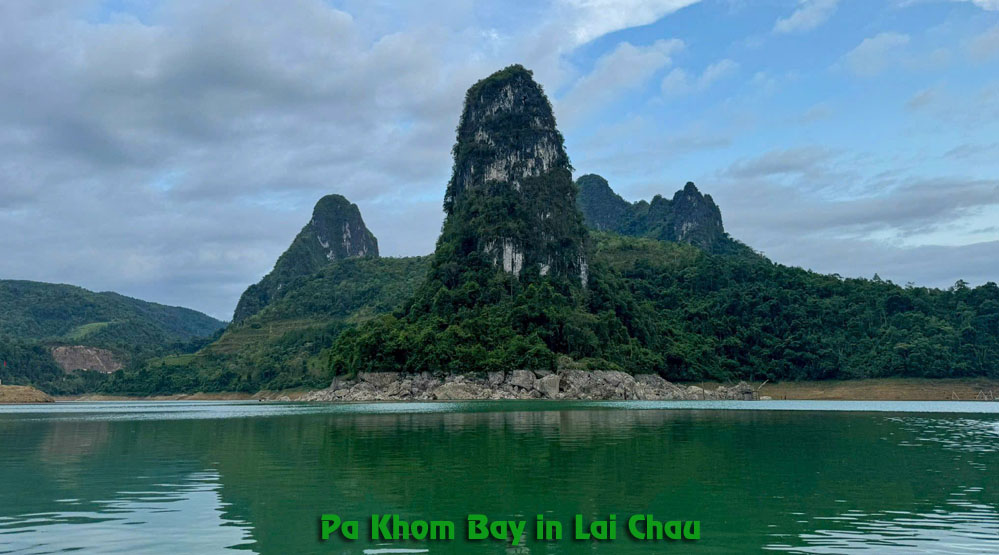
Northwest Vietnam travel - Pa Khom Bay in Pa Mu, Than Uyen district, Lai Chau province, is likened to "Ha Long Bay on land". It is increasingly attracting tourists who come to experience kayaking, hot spring bathing, and explore the unique culture of the indigenous ethnic groups in the far west of Vietnam.


Located more than 30 km southwest of Than Uyen town (Lai Chau province), along National Highway 279, is Pa Khom village in Pha Mu commune. This area is famous for Pa Khom Bay, often described as a miniature "Ha Long Bay" amidst the green plateau in the far west of Vietnam. Formed after the construction of the Ban Chat hydroelectric reservoir, Pa Khom Bay has become increasingly well-known to tourists from near and far.

Coming here visitors will be able to witness the pristine and majestic beauty, the breathtaking natural scenery of Pa Khom Bay. During this time of year, the dry season, the waters of Pa Khom Bay are calm, like a giant mirror reflecting the sky and clouds. Viewed from above, the bay resembles a basin nestled amidst primeval forests. The peaceful and rustic scenery offers a sense of relaxation, a respite from the hustle and bustle of city life.

Besides hiking along the winding paths that encircle the mountain slopes with their rich vegetation, the first experience in Pa Khom is renting a motorboat to travel across the lake from Tham Phe fishing village (Muong Kim commune). While traveling on the water, visitors can admire the majestic mountains along the shore and the vast forests.

For those who love sports and water activities, there are unique experiences such as kayaking, swimming, ziplining on the water, or fishing, bathing in hot mineral springs in the middle of the bay...

When visiting Pa Khom, one of the must-do experiences is enjoying the local cuisine. After sightseeing and admiring the scenery of mountains, water, and sky on Pa Khom Bay, the final step is to savor the culinary culture at the floating restaurants.

The specialties of the Northwest region are prepared by the local people themselves, using ingredients they raise, catch, and process, such as grilled stream fish, grilled pig, sticky rice from mountain fields, dishes made from green-necked ducks raised in Pa Khom, and dishes made from wild vegetables, all prepared with fresh ingredients and bearing the distinctive flavors of the mountains and forests.

Potential for developing ecotourism

Possessing many advantages and potential for ecotourism development, Pha Mu is now attracting more and more visitors for sightseeing and relaxation. It is known that, to develop tourism here, the roads leading to Pa Khom Bay have been upgraded and expanded by Lai Chau province, making it easier for tourists to access.

The roads from the center of Than Uyen district to the areas around the bay have been repaired and paved to ensure safety and convenience for tourists.

In addition, tourism services in Pha Mu have been boosted. Accommodation options such as homestays have begun to appear in villages around Pa Khom Bay, allowing tourists to experience the lives of the local people.

Many households in Pha Mu have joined in providing homestay accommodations for tourists who wish to stay and experience the area. Restaurants and eateries have also expanded, offering traditional dishes of the Northwest region for tourists to enjoy.

Pha Mu is also home to many ethnic minority groups such as the Thai, H'mong, and Dao. Each ethnic group has its own unique culture and customs, creating a unique and authentic local cultural space. Tourists can visit the villages around Pa Khom Bay to learn about traditional culture through activities such as wearing ethnic costumes, participating in festivals, or experiencing making handicrafts themselves.

Each of the four seasons in Pa Khom Bay possesses its own unique beauty. Every season offers a new and exciting experience with its distinctive nature and culture, making Pa Khom Bay a truly special place to visit at any time of year.

Autumn in Pa Khom Bay boasts a mild and pleasant climate with temperatures ranging from 18-25°C. This is the time when the terraced rice fields around Pa Khom Bay turn a brilliant golden color, signaling the harvest season. The golden rice paddies winding along the hillsides create a picturesque scene, especially in the morning when mist still hangs over the fields. Visitors can enjoy the scenery of the ripening rice, take photos, and participate in the harvest festivals of the local people. This is also a good time to experience hiking and exploring the mountains and valleys around the Bay.

Winter offers a unique experience amidst the mystical natural landscape, shrouded in a blanket of white mist. Visitors can participate in camping trips, enjoy warm local specialties such as smoked buffalo meat and corn wine, and join the locals around campfires, sharing stories of their culture and traditions. In spring, visitors can admire the vibrant blossoms and immerse themselves in the distinctive festivals of the local ethnic communities.

If you're lucky enough to visit Pa Mu during the festival season, you can participate in traditional local festivals such as the New Rice Harvest Festival like the Com Tan Pom Festival... This will be an opportunity to experience a unique cultural space with traditional dances, songs, and folk games that are distinctly local.

Source: https://northwestvietnamtours.com/information/experience-majestic-beauty-of-pa-khom-bay-in-the-northwest.php

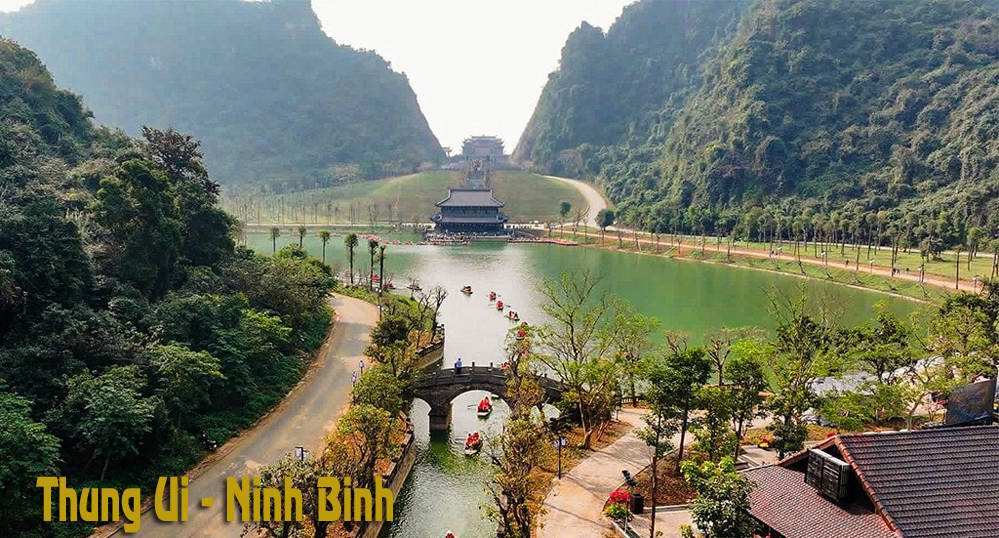
Thung Ui where nature culture and spirituality blend

Ninh Binh tours - Over 2,000 representatives from travel agencies and tourists from dozens of provinces and cities across the country gathered at Thung Ui (Ninh Binh) to visit and survey this new cultural and spiritual tourism area.


The Ninh Binh Tourism Association recently collaborated with local businesses to organize a famtrip program to survey the Thung Ui tourist area and several other typical tourist destinations in the province.

The program attracted more than 2,000 delegates representing over 750 travel agencies nationwide.

Thung Ui is located in the Moc Hoan valley, part of the Trang An scenic complex. It's a relatively new tourist destination currently under development and is expected to be opened to visitors in the near future.

This place boasts pristine natural landscapes and a tranquil atmosphere, making it ideal for ecotourism, relaxation, and experiencing local culture.

The system of spiritual structures such as the Altar of Heaven, the Temple of Earth, the Temple of Humanity, the stilt house area... along with the lake and supporting facilities serving the development of cultural and religious tourism are gradually turning Thung Ui into a newly emerging destination, attracting a large number of tourists to visit, check-in and experience.

Through field surveys, many people expressed their admiration for the pristine beauty of the mountains, forests, and valleys, along with the relatively intact natural ecosystem. Furthermore, the preservation and promotion of the traditional cultural values of the Muong people in the Thung Ui area were highly appreciated by experts and travel businesses.

As part of the famtrip program, on February 3rd, the group visited, surveyed, and experienced some tourism services at prominent destinations in Ninh Binh province such as: Bai Dinh Pagoda, Dong Chuong Lake tourist area, Tam Chuc, Tam Coc - Bich Dong, and Trang An.

Delegates and visitors had the opportunity to explore cultural and spiritual sites, enjoy boat trips on the emerald-green waters, and participate in Muong cultural activities such as throwing the "con" (a traditional game), bamboo pole dancing, playing the "mang" (a traditional game), walking on stilts, playing gongs, and having bonfires.

Through this famtrip activity, the organizers hope that travel businesses will gain more practical information, thereby developing new tours and routes, and incorporating Thung Ui and other destinations in Ninh Binh into their programs for wider promotion to domestic and international tourists.

Source: https://ninhbinhtraveltour.com/travel-news/discover-the-unspoiled-beauty-of-thung-ui.asp

Thursday, February 5, 2026

Revitalizing the Red River a new era for Hanoi's tourism growth

Hanoi tours - In the Master Plan for the Capital City with a 100-year vision, the Red River is identified as a strategic spatial axis, serving not only transportation and urban development but also as a highlight for tourism, ecology, and culture, connecting major landscape spaces of Hanoi.


With a long-term vision, the Red River axis is identified not only as a central ecological corridor but also as a new symbolic axis for cultural, tourism, and service development in the capital. This is the first time that the river, which has been closely associated with the history of Thang Long - Hanoi for thousands of years, has been placed in a central position in the urban development structure, instead of just being a flood drainage space and a natural boundary.

According to published plans and guidelines, the Red River axis will be organized as a continuous landscape boulevard, connecting cultural, historical, and creative spaces on both banks, from the Ba Vi - Son Tay area, through Co Loa, the historical inner city, to the eastern gateway region.

Along this axis, the city prioritizes the development of open public spaces, riverside parks, cultural squares, pedestrian walkways, tourist boat docks , and viewpoints, gradually creating a "riverfront" for Hanoi - something the capital has lacked for many decades.

In terms of tourism, the Red River axis is considered the backbone for restructuring urban tourism products, connecting heritage with contemporary experiences. Key destinations such as Thang Long Imperial Citadel, the Old Quarter, West Lake, Co Loa Citadel, ancient villages along the river, and the sandbars in the middle of the Red River will no longer develop in isolation but will be linked by interconnected waterway, road, and pedestrian zones. River tourism - which is still relatively underdeveloped in Hanoi - is expected to become a new distinctive product, complementing heritage and cultural tourism.

Notably, the Red River axis planning emphasizes the element of creative culture. The riverbanks, sandbars, and areas along the dike are oriented for flexible exploitation for festivals, art performances, outdoor exhibitions, and large-scale tourism and cultural events, thereby breathing new life into the riverine landscape that has been "frozen" for a long time. This also forms the basis for creating "event destinations" - a trend being pursued by many major cities around the world .

Alongside tourism, the Red River basin is also identified as a crucial ecological space, playing a role in regulating climate, protecting biodiversity, and improving urban quality of life. Development projects along the river must strictly adhere to regulations on flood control, ecosystem conservation, limiting concrete construction, and prioritizing green architecture and low-rise buildings. This is a key condition for sustainable riverside tourism development, avoiding the repetition of short-term exploitation models that put pressure on the environment.

From an economic and tourism perspective, the formation of the Red River axis is considered to open up new growth opportunities for Hanoi's tourism industry, extend the length of stay of tourists, disperse the flow of visitors away from the overcrowded inner city, and create more experiential spaces for the people.

When seamlessly integrated with strategic transportation axes and satellite urban systems, the Red River axis not only serves inner-city tourism but also plays a regional linking role, connecting Hanoi with neighboring tourism centers in the Capital Region.

Clearly, the Red River axis is not simply a planning project, but a new development declaration for Hanoi: bringing the river heritage back to the center of urban life, transforming the historical river into a driving force for tourism, culture, and creativity, contributing to shaping the image of the capital city in the long-term development phase.

Source: https://hanoitraveltour.com/news/unlocking-red-river-potential-for-hanoi-tourism-development.htm

Ha Giang charts a path to sustainable tourism success

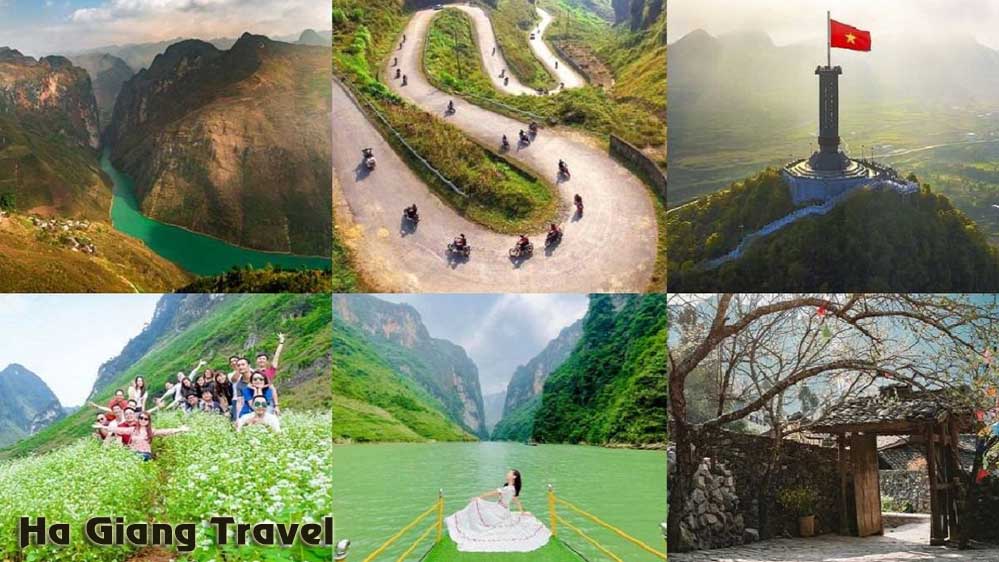
Ha Giang Tours - Ha Giang, the northernmost province of Vietnam, has always attracted tourists with its majestic landscapes and unique cultural identity, and is now witnessing a tourism boom thanks to the impact of digital transformation.


Images of the Dong Van Stone Plateau, Ma Pi Leng Pass, buckwheat flower season, and highland markets are being widely disseminated digitally, from tourism portals to social media and online booking platforms. Standardized information, professionally produced images, and digital transformation are fundamentally changing how a highland destination like Ha Giang connects with tourists. 

Many homestay households in Dong Van, Meo Vac, and Yen Minh have learned to use social media and booking platforms to proactively promote their services, manage guest schedules, and interact directly with tourists. Reducing reliance on intermediaries has helped increase the percentage of revenue retained by the local people. Many households have reported more stable income from tourism, especially during peak seasons.

Mr. Sinh Di Gai, the head of Lo Lo Chai village, is one of the pioneers of community tourism in the village, starting his homestay business in 2011 when the concept of community tourism was still quite unfamiliar. Today, he not only operates accommodation but also owns a TikTok channel with approximately 5,600 followers.

In the digital space, he both introduces tourism services and tells the story of Lo Lo culture, the rhythm of village life, and the highland landscapes that embody the soul of Ha Giang. This approach not only benefits his family but also contributes to promoting the overall image of Lo Lo Chai and Ha Giang tourism.

Handicrafts and local specialties such as mint honey, brocade fabrics, corn wine, and highland agricultural products, which are popular with many tourists, are also being sold by people in Ha Giang on e-commerce platforms, through social media, and via live streams directly to consumers.

Tourism, therefore, not only generates income from direct services but also drives the development of traditional crafts and local production. The economic value chain is expanded, enabling many households to participate in the Ha Giang "tourism ecosystem" in different ways, according to their conditions and capabilities.

Furthermore, digital transformation is also helping Ha Giang improve the quality of the tourist experience. Digital maps, QR codes, and automated audio guides at attractions such as the Vuong family mansion, Lung Cu flagpole, and Ma Pi Leng pass help tourists access information flexibly and in multiple languages, aligning with the trend of independent and personalized tourism.

Instead of simply "seeing the scenery," tourists have the opportunity to gain a deeper understanding of the history, culture, and stories behind each destination. The experience is enriched in depth, thereby extending the length of stay and increasing spending. This is a key factor in expanding the potential for sustainable income generation for local people and businesses in Ha Giang tourism.

Behind the development of digital tourism is the gradually improving telecommunications infrastructure. Internet coverage, 4G, and the gradual deployment of 5G in key tourist areas help people in mountainous regions access technology, creating favorable conditions for the effective operation of digital tourism business models. For tourists, stable telecommunications infrastructure also contributes to enhancing the experience, from searching for information and sharing itineraries to using digital services. 

In many villages, smartphones have become a new "productivity tool," helping people provide services, promote products, and connect with customers. This is a structural change that contributes to shifting the rural economic structure towards diversified livelihoods.

However, digital transformation also poses new demands. As the number of visitors increases rapidly due to the ripple effect in the digital environment, the pressure on infrastructure, the environment, and cultural identity grows. The exploitation of cultural content on digital platforms needs to be guided to avoid excessive commercialization.

In this context, digital transformation cannot be limited to technology alone, but must be linked to smart tourism management. Data on visitor numbers, travel patterns, and spending levels, if effectively utilized, will help local authorities regulate development, allocate tourists seasonally and along routes, ensuring a harmonious balance between economic benefits and conservation.

The Party Committee of Ha Giang province stated that in the new phase, it will promote the application of digital technology in tourism promotion and advertising; digitize information on recognized tourist areas and destinations, creating a digital database of tourist destinations, providing accurate, multilingual, and highly interactive information; install QR code systems at tourist sites to help tourists easily access information about destinations; and pilot the construction of smart information lookup and tour guide kiosks using robots and artificial intelligence (AI) to assist tourists in searching for information and enhancing their experience.

Digital transformation is opening up a path for sustainable and inclusive development for tourism in Ha Giang. There, economic benefits are closely linked to preserving cultural identity, and tourism not only brings in a stable flow of visitors but also creates long-term livelihoods, improves income, and enhances the quality of life for people in this northernmost region of Vietnam.

Source: https://hagiangtraveltour.com/news/digital-technology-unlocks-ha-giang-tourism-potential.asp