Monday, July 20, 2026

Sapa Transforming Heritage Into Global Tourism Powerhouse

Sapa train tickets - With a rich history spanning over 120 years on the tourism map, Sapa is making a strong breakthrough to become a world-class tourism service center. Thanks to a strategic mindset of "transforming heritage into assets" combined with trillions of dong invested in infrastructure, Sapa is asserting its position as a leading economic growth pole and one of the most attractive destinations in the ASEAN region.
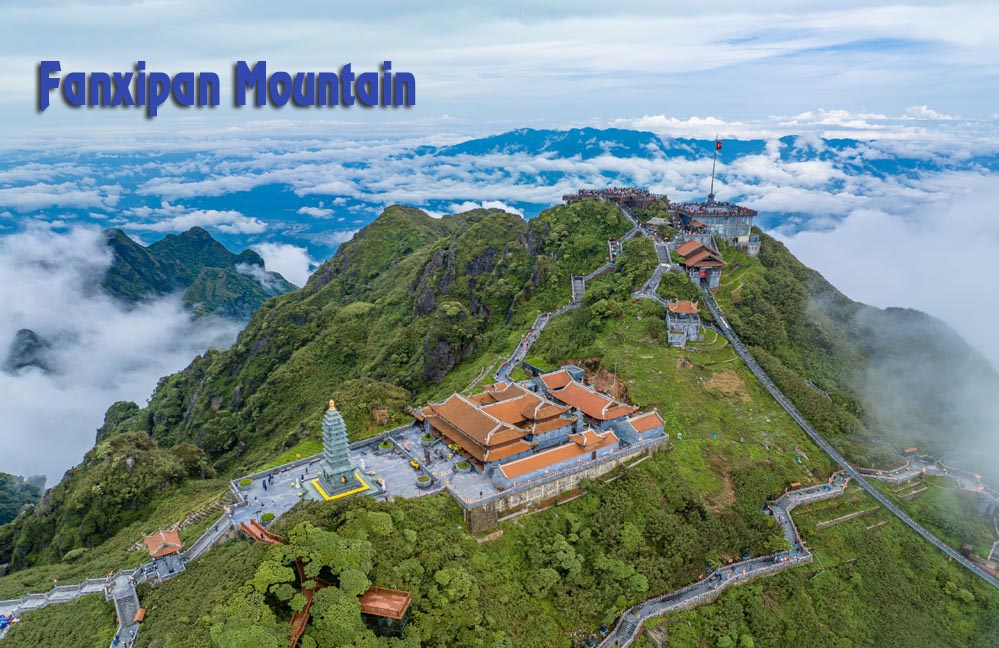

In the journey of transforming the face of Sapa, the role of strategic investors cannot be overlooked. Pursuing the mission of "beautifying the land," Sun World Fansipan Legend has chosen a long-term, sustainable investment strategy alongside Sapa. Since the historic boost in 2016 when the Fansipan cable car began operating, the number of visitors to Sapa has surged from 600,000 to 700,000 to nearly 970,000 in the first year. By 2025, this complex is expected to welcome over 4.3 million visitors, making a major contribution to Sapa's total of over 5 million visitors.

Mr Vu from Sun World Fansipan Sapa Branch, said: "Thanks to the consensus and close cooperation of the government, we have been able to realize iconic projects such as the Fansipan cable car - the first cable car project in Vietnam to set two Guinness World Records, contributing to making Sapa one of the fastest-growing destinations in Asia".

Beyond a record-breaking cable car system, a sustainable cultural tourism ecosystem has been meticulously developed at the summit of Fansipan. The journey of discovery extends from the magnificent spiritual complex, through the culturally rich Ban May village, considered a "living museum" of ethnic minorities, to the vibrant flower valleys that celebrate the beauty of Sapa throughout all four seasons.

With local people and culture as its core values, Sun World Fansipan Legend has successfully elevated the Northwest heritage through world-class art shows. Beyond simply celebrating culture, this complex also creates stable jobs for local people, improving their quality of life and fostering a sense of pride in contributing to the development of their homeland. This well-planned investment strategy has helped Fansipan Legend consistently receive the World Travel Awards, recognizing it as the "World's Leading Cultural Tourism Destination".

Upon arriving in Sapa, tourists express delight and deep impression at its real-life beauty, which far surpasses the images they've seen online. Many visitors share that they are captivated by the natural scenery and especially charmed by the unique traditional culture of the local people.

At the end of April, the O Quy Ho Tea Hill Eco-Urban Area (EcoSapa) project officially commenced construction with a scale of approximately 29 hectares and a total investment of over 2,400 billion VND. The project is planned according to a modern ecological urban model, integrating residential spaces, commercial services, and high-end tourism and resort facilities. Upon completion, it is expected to become an iconic architectural landmark, enhancing the urban landscape and providing impetus for the development of high-quality tourism.

Mr Hong from Hong Phong Investment and Development said that the company will invest in a comprehensive system of modern and smart technical infrastructure; and at the same time complete economic, cultural, social, entertainment and culinary facilities to transform this place into a new attractive destination on the Sapa tourism map.

Besides numerous large-scale projects being implemented simultaneously, Sapa currently boasts a comprehensive accommodation infrastructure with over 950 establishments. Notably, the high-end segment includes 10 hotels ranging from 3-star to 5-star standards, fully meeting the needs of high-spending tourists seeking luxury accommodations. This provides a solid foundation for Sapa to continue attracting significant investment in the new phase.

According to the Party Committee of Sapa ward, the locality is determining the planning boundaries and mobilizing resources to invest in internal infrastructure connections; at the same time, it is proposing that the province call for large-scale projects with synchronized infrastructure to welcome large groups of tourists, serving the orientation of smart, sustainable and distinctive development.

Identifying tourism as a key economic sector, Lao Cai province aims to welcome approximately 15 million tourists by 2030, contributing over 20% to the province's GRDP. In this plan, Sapa continues to play a pivotal role as a growth engine. Key projects currently being activated here promise to improve service quality, expand development opportunities, and solidify Sapa National Tourist Area's position on the international tourism map.

Source: https://sapatrainticket.com/travel-news/sapa-elevates-cultural-tourism-to-global-standards/

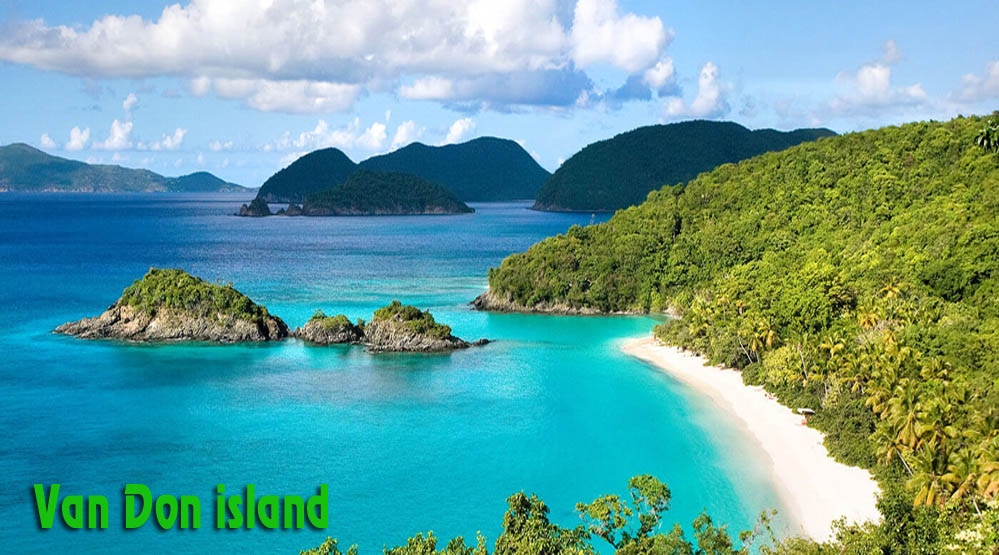
Van Don Enhances Tourism Products and Business Environment

Indochina Junk - Focusing on building and developing unique tourism products, promoting tourism, managing the tourism business environment, and training human resources... towards sustainable tourism and service development, Van Don attracted over 1.52 million visitors in the first half of this year, reaching 44.7% of the annual plan and increasing by 40% compared to the same period last year. Tourism revenue in the special economic zone is estimated at 2,719 billion VND, equivalent to 40.6% of the annual plan and an 86% increase compared to the same period last year.


Leveraging unique and attractive product lines.

In recent times, in order to diversify tourism products and services in the area, Van Don has proactively directed the development of products, coordinated with relevant units and tourism and service businesses to organize cultural, sports, and tourism activities to attract tourists.

Accordingly, the locality has developed and approved a pilot plan for eco-tourism products linked to aquaculture in the Van Don Special Economic Zone; organized meetings with 9 units proposing to participate in the model of developing eco-tourism linked to aquaculture; and guided units that meet the requirements to prepare a pilot project proposal for businesses and cooperatives to submit to the Special Economic Zone People's Committee for appraisal. The locality will maintain the Van Don Sea Tourism Festival in 2026, scheduled for the end of July and beginning of August; and promote the two walking routes and two community-based eco-tourism itineraries on Quan Lan and Minh Chau islands.

Van Don also continues to effectively exploit the tourism products of tourism and service businesses that have successfully developed in previous years. These include wellness and wellness products, outdoor sports and beach activities, campsites, outdoor wedding venues, MICE tourism (meetings, incentives, conferences, and exhibitions), and night markets at Wyndham Garden Sonasea Van Don Resort and Sonasea Van Don Harbor City. There are also high-end beach and resort tourism products combining yoga, onsen, wellness, and MICE tourism at Angsana Quan Lan Resort… In addition, there are culinary, entertainment, ecotourism, and experiential tourism products in many areas throughout the district such as Dong Xa, Van Yen, Ha Long, Doan Ket…

In addition, the locality regularly organizes cultural and artistic activities associated with preserving and promoting the national cultural identity, typically serving the people and tourists in the islands, residential areas, tourist areas and historical and cultural relics in the area.

These include mass cultural and artistic exchange programs; folk song and dance festivals; activities in response to the Ha Long Carnival, Quang Ninh Summer Tourism Week; mass sports competitions; folk games; cultural and sports activities on holidays and Tet (Lunar New Year); traditional festivals; cultural and professional festivals such as: Ngoc Vung Temple Festival, Cau Ngu Festival, Van Don Orange Festival, Dai Phan Festival of the San Diu ethnic group, Van Don Peach Blossom Festival… creating an attractive and vibrant atmosphere to attract tourists.

Ensuring a favorable business environment for tourism

Van Don is a key coastal and island tourism area of the province, attracting a large number of visitors, especially during the summer. Therefore, to ensure a favorable business environment for tourism in the area, Van Don has focused on directing specialized departments and relevant units to seriously implement the Regulations on the Management of the Tourism Business Environment; requiring units to regularly inspect compliance with State regulations in tourism and service business activities during peak periods and the summer tourism season.

Recently, Van Don has organized three in-person conferences with tourism accommodation establishments and food service businesses on Quan Lan, Minh Chau, and Cai Bau islands to discuss solutions to improve the quality of tourism services and ensure environmental hygiene and food safety to meet the needs of tourists during the summer. The conference also guided relevant agencies and tourism businesses to proactively ensure the safety of residents and tourists before and during the rainy season.

Manage and implement the establishment of boundary buoys, watchtowers, and related conditions to ensure the safety of residents and tourists swimming at Minh Chau, Quan Lan, Ngoc Vung beaches and other areas with potential risks. Establish three self-governing groups for Minh Chau, Quan Lan, and Ngoc Vung beaches and strengthen safety measures at beaches, bathing areas, swimming pools, ponds, lakes, and lagoons, and implement drowning prevention measures in the area. Install hotline and warning signs in areas with high concentrations of tourists. Direct agencies and units to strengthen the management of accommodation establishments and organize inter-agency inspection teams to inspect cultural, sports, and tourism service businesses in the area...

Assessments show that the management of the tourism business environment in the special economic zone is ensured, preventing negative phenomena (touting, haggling, arbitrary price increases during peak seasons, holidays, etc.). The awareness of organizations and individuals involved in tourism service businesses has significantly improved. To date, complaints from tourists about service prices and seafood prices have gradually been eliminated. Tourism and service businesses have actively implemented digital transformation, contributing to the promotion of tourism and cashless payments effectively, bringing satisfaction to tourists.

Efforts are being made to achieve the goal of welcoming 3.4 million visitors.

This year, Van Don has been assigned a target of attracting over 2.6 million tourists by the province, and the special economic zone aims for an even higher target of over 3.4 million visitors and revenue exceeding 6,700 billion VND. Therefore, to achieve this target, the locality will continue to improve the quality and competitiveness of existing tourism products and services to increase spending, revenue, and the economic efficiency of tourism. It will also promote sightseeing tours on Bai Tu Long Bay and pilot eco-tourism projects linked to aquaculture activities within the special economic zone.

Diversify tourism forms and products, improve the quality and competitiveness of tourism services, especially high-end resort tourism, high-quality island and beach tourism, and nighttime tourism products and services, both on land and in Bai Tu Long Bay. Along with this, strengthen inter-sectoral coordination in managing the tourism business environment, ensuring service quality, security, safety, and addressing complaints and feedback from tourists; promptly rectify and handle violations in tourism service business activities...

According to local assessments, Van Don is currently facing many difficulties in exploiting its unique resource values to become tourism products, especially in developing marine and island ecotourism associated with agricultural and rural tourism (experiential tourism involving aquaculture activities of local residents, water sports activities, and tourism under the forest canopy), and cultural and historical tourism associated with experiencing the life of coastal residents (squid fishing, fishing, etc.).

The reason is that the development of these unique tourism products faces many legal procedural obstacles, and there are no specific and clear regulations guiding community-based experiential tourism activities or encouraging the development of agricultural and rural tourism.

These limitations have significantly impacted the creation of experiential tourism value, the length of stay of tourists, and the increase in income and livelihoods for local communities. Therefore, the locality proposes that ministries and agencies research and develop appropriate regulations and policies to overcome these difficulties, creating conditions for local communities to legally benefit, increase production value, and create livelihoods from tourism activities in the locality.

Source: https://indochinajunkcruises.com/travel-news/van-don-strengthening-its-sustainable-tourism-strategy.htm

Saturday, July 18, 2026

Incredible rice terrace destinations to explore in Northern Vietnam

Northwest Vietnam travel - From July onwards, the terraced rice fields in Ta Van, Nam Cang, Mu Cang Chai, and Hoang Su Phi begin to turn green, attracting tourists who come to admire the scenery, trek, and relax amidst the villages in the North.


The rice harvest in the northern mountainous regions does not occur simultaneously. At the same time, some areas have already turned yellow, while others are still green, and some valleys have even just finished planting. This variation depends on altitude, weather , and the farming schedule of each village.

This year, updated images from the travel community show that Ta Van and Nam Cang are gaining early attention thanks to their fast-growing rice fields, lush green landscapes, and ease of combining them with relaxation. Meanwhile, Mu Cang Chai, Xim Vang, Ban Phung, and Hoang Su Phi remain popular destinations for late summer and early autumn rice harvests.

In this article I will suggest some prominent rice field viewing spots in the North that are attracting many visitors.

Ta Van village in Lao Cai

Located in the Muong Hoa Valley, more than 10 km from the center of Sa Pa, Ta Van is one of the most accessible spots for viewing rice paddies.

From July onwards, the terraced rice fields turn green and can be observed from the main road, homestays, cafes, or along the trekking route connecting Lao Chai and Y Linh Ho. The common entrance fee is around 75,000 VND per adult.

Thanks to its relatively complete accommodation and dining options, Ta Van is suitable for independent travelers, families, and those who want to combine rice field viewing, trekking, and staying in the village.

In mid-July, there were still plenty of rooms available, but homestays with beautiful views were fully booked well into the weekend. The downsides were that the village center was quite crowded, some areas were under construction, and the paths down to the rice fields were slippery after rain.

Nam Cang, Lao Cai

Nam Cang, located in Muong Bo commune, Lao Cai province, lies at a lower elevation than the center of Sa Pa, so the rice grows early and looks beautiful from the end of July to the beginning of September.

Tourists mostly visit independently, as there is no general entrance fee; additional costs arise at accommodation, attractions, or private sites. The rice paddies here are not as vast and continuous as in Mu Cang Chai, but they are attractive because of their peaceful atmosphere, interspersed with wooden houses, small streams, and Red Dao ethnic villages.

Nam Cang is suitable for travelers who prefer a slower pace of life, avoiding crowds, and relaxing amidst nature. Accommodation options mainly consist of lodges and small homestays.

In July, some accommodations near streams and rice fields were fully booked online. Additionally, drawbacks included their distance from the center of Sa Pa, limited services, and difficult access roads during heavy rain.

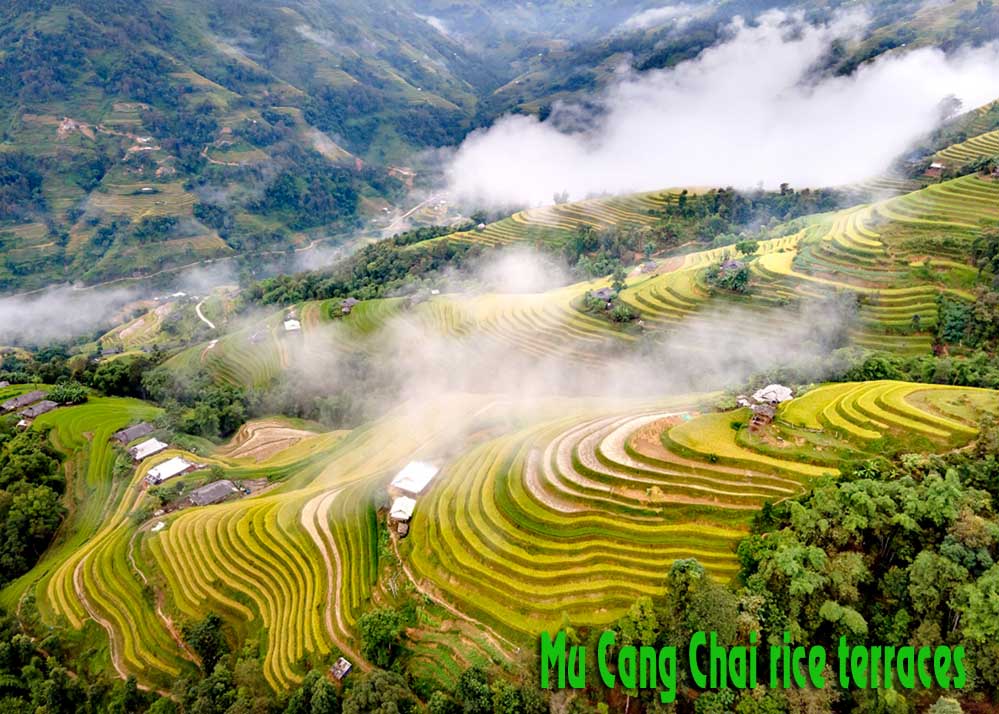
Mu Cang Chai, Yen Bai

When talking about the rice harvest season in Northwest Vietnam, Mu Cang Chai remains an irreplaceable name. The rice paddies winding around the mountain slopes in La Pan Tan, Che Cu Nha, De Xu Phinh, or the Mam Xoi and Mong Ngua hills have long become iconic images of the golden harvest season in the highlands.

The terraced rice fields are scattered across a wide area, and there is no single entrance fee for the entire region. Some popular spots, such as Mam Xoi Hill and Mong Ngua Hill, usually charge around 20,000-30,000 VND per person. Visitors using local motorbike taxis to reach the higher points may pay an additional 60,000-100,000 VND for a round trip.

July and August are ideal months for viewing the green foliage. The golden season is usually concentrated from mid-September to early October, but the best time can vary from year to year. Visitors should check actual photos before their trip to avoid arriving too early or after the harvest has already begun.

Mu Cang Chai is a popular choice for tourists due to its large rice paddies, picturesque landscapes, and numerous famous photo spots. The system of homestays, guesthouses, restaurants, and motorbike taxi services is also more developed compared to many other rice-growing regions.

The large number of visitors is an advantage but also creates pressure during peak season. The fields of Mam Xoi and Mong Ngua are usually crowded from early morning, especially on weekends. The roads to some of these spots are narrow and steep, with limited parking; room and service prices also tend to increase when the rice ripens.

To avoid crowds, tourists can spend more time exploring villages further from the city center instead of focusing solely on familiar photo spots.

Xim Vang, Son La

Xim Vang is located in the former Bac Yen highlands, now in Son La province. This destination is often included in the Ta Xua cloud-hunting tour, suitable for travelers who want to combine multiple experiences in one trip.

The Xim Vang terraced rice fields are located along the valleys and mountain slopes, and are mostly free to visit. There is currently no general entrance fee. Some campsites, parking lots, or viewpoints managed by locals may charge separate service fees.

From July to early September, the terraced rice fields blanket the valleys and mountain slopes, creating a breathtaking landscape, most beautiful in the early morning or late afternoon. The rice ripens usually between mid-September and early October.

Compared to Mu Cang Chai or Sa Pa, Xim Vang hasn't yet attracted a huge number of tourists. This very solitude has become an attractive feature for young travelers who enjoy camping, taking landscape photos, or seeking a location less frequently featured on mainstream tours.

The landscape here is expansive, with few buildings obstructing the view. The rice paddies stretching at the foot of the mountains create a sense of openness, especially beautiful in the early morning or late afternoon.

The drawbacks include the long distance, many steep mountain passes, limited accommodation options, and inconsistent information regarding rice crop conditions. Visitors should carefully prepare their transportation, fuel, and accommodation before traveling.

Phung village, Ha Giang

Phung village is located in the Hoang Su Phi terraced rice fields, currently belonging to Ban May commune, Ha Giang province. From the old Hoang Su Phi town center, visitors have to travel nearly 30 km along a mountain pass to reach the village.

There is no unified entrance fee in this area. Some viewpoints or private land may charge around 10,000-20,000 VND per person. Visitors should inquire before stopping their vehicles or using pathways through areas managed by locals.

July and August are the months when the terraced rice fields cover the mountain slopes in lush green. From around the first half of September, the rice fields gradually begin to turn a golden yellow. If you visit Ban Phung at this time, you can observe many different shades of color on the mountain slopes.

Phung village is notable for its topography resembling a large basin, with terraced rice fields surrounding clusters of houses belonging to the La Chi people. The landscape has many layers, making it suitable for landscape photographers, those who want to capture sunrises, or those who wish to observe local life during the harvest season.

Compared to more famous destinations, Phung village has fewer shops, signposts, and tourist services. This is an advantage for those who prefer tranquility, but it also means the trip requires more preparation.

The road to the village has many steep sections and can be slippery after rain. The number of accommodations is limited, so visitors wishing to stay overnight during peak season should book in advance.

Hoang Su Phi, Ha Giang

Hoang Su Phi is not just a single spot for viewing rice paddies, but a vast area of terraced rice fields, stretching across many villages such as Nam Hoa, Ban Luoc, Thong Nguyen, Ho Thau, Nam Ty, and Ban Phung.

Most rice paddies are interspersed with villages and local roads, and no general entrance fee is charged. Some photography spots, accommodation areas, or viewpoints operated by locals may charge a fee.

From the beginning of July, the rice fields are lush green, covering the entire region. The golden season, however, usually begins in mid-September and lasts until early October. Due to the vast terrain and varying altitudes, the rice in Hoang Su Phi ripens unevenly. Tourists can encounter fields that are still green, fields that are golden yellow, and fields that are being harvested all within the same journey.

Unlike Mu Cang Chai, where tourists tend to congregate at a few iconic spots, visitors to Hoang Su Phi are dispersed across many villages. As a result, the overall experience is more pleasant, especially for those who have time to explore the more remote highland communes.

Some popular resorts and homestays in Hoang Su Phi have already listed their rooms as fully booked, but the area isn't experiencing widespread overcrowding. Guests tend to book early for accommodations near the terraced rice fields, offering expansive views and convenient access to the villages.

The biggest drawback is the long distance, with many small and difficult sections. If you only have one day, it's difficult to fully appreciate the beauty of the area. A more reasonable option is to choose a cluster of nearby attractions, stay at least one night, and use a local guide.

Source: https://northwestvietnamtours.com/blog/best-places-to-admire-terraced-rice-fields-in-northern-vietnam.php

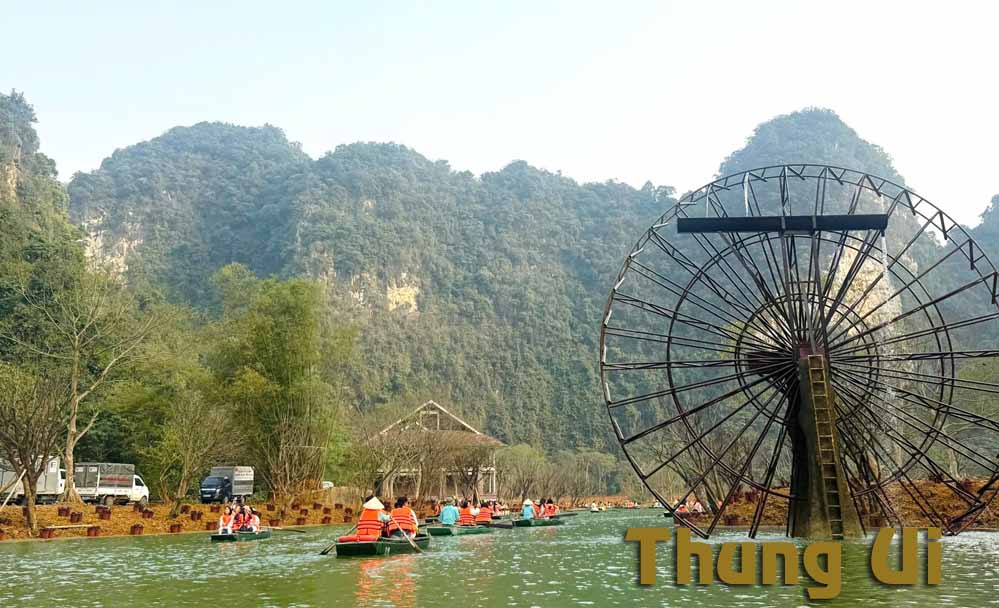
Thung Ui in Ninh Binh - Stunning scenery, disappointing experience

Ninh Binh tours - February 2026 - Thung Ui is part of the historical Hoa Lu Ancient Capital - where Dinh Tien Hoang quelled the rebellion of the 12 warlords and established Dai Co Viet nation in 968.


And it is also where the altar to Heaven was erected. A place of spiritual significance and outstanding people!

This limestone valley contributed to creating a natural fortress for the first capital of the centralized feudal state of Vietnam.

However, the investor failed to reflect this... The investor invested heavily in creating very grand and impressive spaces... but it feels like they tried to put it into operation sooner than planned, resulting in too many half-hearted things and a messy appearance...

Some problems:

1. Too crowded: Long queues.

We were among the first guests staying at the resort, and we were the only ones there: in the middle of the valley... I was terrified...: The listed price before discount was over 3 million VND/night

+ Clean room (no TV)

+ Plenty of water, beautiful and modern bathroom.

+ Enthusiastic staff

But:

- There were no evening services, nothing to do except go down and look at the receptionist. The receptionist was also scared of ghosts so she couldn't talk naturally...

If you want to stay, you should only rent a house in the outer area where there are places to eat and play at night, and go in during the day according to the service package.

2. The food was terrible!

- The main dining area at the end of the entire resort was incredibly disappointing: you could only eat set meals - you couldn't order individual dishes: it was like cheap, packaged meals: "The food we have is like that in the middle of an island, eat or go hungry? Don't ask too many questions!"

Combo 2: 600.000 VND for 2 people

The cooking is similar to the cheap student meals at the University canteen.

- That's the restaurant in the area, but the entertainment area, spanning several hectares, offers only 4 or 5 mediocre dishes: grilled sausages, grilled rice paper, steamed buns, boiled eggs... The food is poor and boring, even worse than a corner of the night market at a village festivity - not befitting a high-class entertainment area like this...

3. The service areas are unfamiliar and disjointed.

- There's no proper guidance, so people get confused: getting kicked off the electric cart...

- The shuttle service takes a long time to arrive.

- The reception and security areas are not coordinated, so there's a lot of confusion when serving guests.

- The boatmen are unskilled (the boatman who rowed my family went the wrong way, to the left side of the road, so other boatmen kept crashing into us; when they complained to him, he cursed back...) >> My family must have just been unlucky, but the other boats were probably good. But I was still terrified, so halfway there I asked to be let off the boat... Terrible.

4. Some services are very half-hearted, such as electric carts > 50.000 VND/person (only saves about 200m of walking time) - only use them when you're very tired or elderly, otherwise you can walk a short distance.

- Don't take motorbike taxis (the motorbike taxi driver said it was 1km, but it's only 200m from the parking lot to the destination).

5. The security isn't very strict: locals still surround visitors at the entrance to encourage them to park their cars and motorbikes in their private homes (while cars can be parked in the spacious and cheaper inner lot), and other services are quite disorganized: for example, motorbike taxis often exaggerate the distance to make customers go a few hundred meters and then tell them it's kilometers to scare them.

In short: these are the initial stages of operation for such a large area, so they probably weren't well-prepared... or maybe they intentionally opened quickly to take advantage of the locals' New Year's money...

Hopefully, things will change and improve soon.

Rating:

+ Scenery: 10/10

+ Staff and Reception: 9/10 (enthusiastic)

+ Overall System Operation: 4/10 (chaotic, lacking coordination and planning)

+ Food: 3/10 (terrible)

+ Entertainment Support Services: 3/10 (just people watching each other)

+ Boating: 1/10

Source: https://ninhbinhtraveltour.com/blog/review-of-a-trip-to-thung-ui-in-ninh-binh.asp

Sunday, July 12, 2026

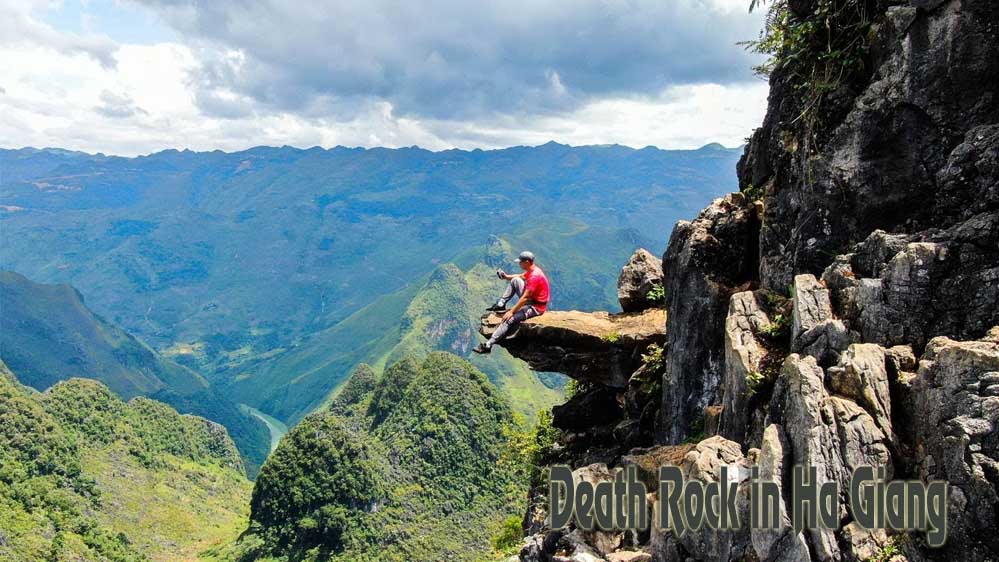
Ma Pi Leng iconic cliffside rock suspends visitor access

Ha Giang Tours - "Instagrammable rock" or "death rock" is a popular destination for many tourists on the Ma Pi Leng Pass - Happiness Road. However, after on-site inspection, the area does not fully meet the required safety conditions and measures. Therefore, the local authorities have temporarily suspended visitor access to ensure safety.


Accordingly, the People's Committee of Dong Van commune has issued an announcement regarding the temporary suspension of visits to the "Instagrammable rock formation" in Ma Pi Leng village, Dong Van commune, Tuyen Quang province. The suspension will be in effect from July 1, 2026, until further notice.

During the construction period, the local authorities request that residents and tourists refrain from moving, visiting, or approaching the area under renovation to ensure the safety of people and property. Furthermore, organizations and individuals are required to strictly comply with the notice.

The "Instagrammable rock formation" is located within the scenic area of Ma Pi Leng Pass - Happiness Road, attracting many tourists for its panoramic view of the Nho Que River gorge. However, this area also has rugged limestone terrain, with many rocky outcrops jutting out to the edge of deep ravines, posing a safety risk if tourists attempt to climb or take photos in dangerous locations.

This temporary suspension of visitor access aims to improve infrastructure, warning signs, safety instructions, and other necessary conditions before reopening, contributing to ensuring visitor safety and enhancing the management of the tourist site.

Source: https://hagiangtraveltour.com/news/authorities-temporarily-shut-down-ma-pi-leng-viral-photo-spot.asp

New tourism route brings Hanoi's sacred Four Guardian Temples to life

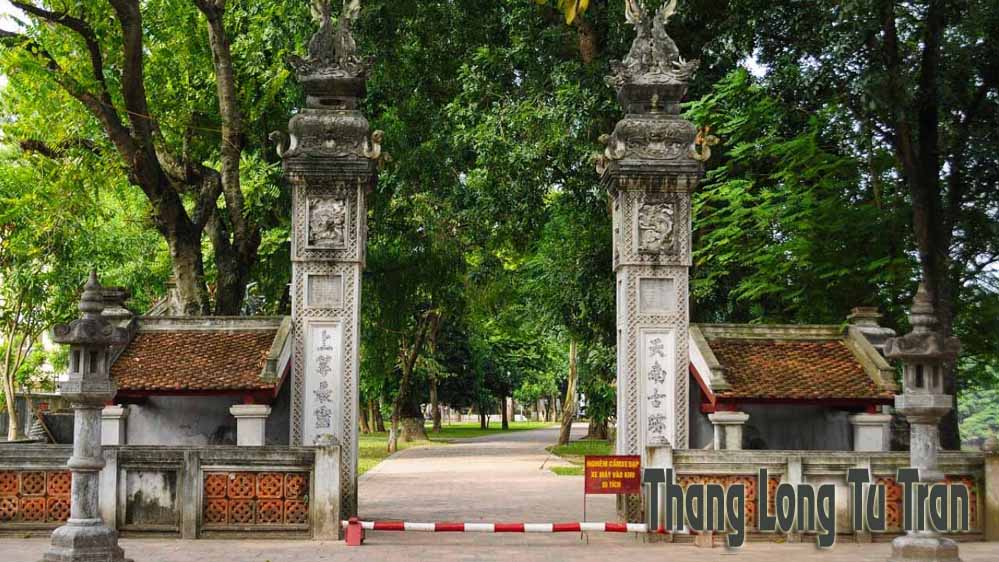
Hanoi travel - For a long time, the Thang Long Four Guardian Temples tour has been a core cultural tourism product of the capital. To improve the quality of this tour route, recently, the Hanoi Department of Tourism has coordinated with relevant units to build a route connecting Ngoc Son Temple and the four guardian temples of Thang Long, adding many unique cultural experiences to create a unique product for the capital.


A journey to touch the soul of the ancient capital

For centuries, four sacred temples in the four directions of East, West, South, and North of the capital were built to guard and protect the capital, creating a unique belief system reflecting the Vietnamese people's aspirations for peace and prosperity.

The Four Guardian Temples of Thang Long consist of: Bach Ma Temple in the East, Voi Phuc Temple in the West, Kim Lien Temple in the South, and Quan Thanh Temple in the North. Each temple is dedicated to a deity who contributed to protecting the country, sheltering the people, and was revered by the feudal dynasties.

Bach Ma Temple, located on Hang Buom Street, Hoan Kiem Ward, is considered the oldest of the "Four Guardian Temples." It is dedicated to the deity Long Do, considered the tutelary god of Thang Long.

To the west of the capital is Voi Phuc Temple, located within the grounds of what is now Thu Le Park, in Giang Vo Ward. The temple is dedicated to Linh Lang Dai Vuong, who contributed to fighting invaders and protecting the country during the Ly Dynasty. The temple's name comes from the pair of stone elephants kneeling before the temple gate, symbolizing loyalty and the strength to protect the capital.

Guarding the south is Kim Lien Temple, located in Van Mieu - Quoc Tu Giam ward, one of Hanoi's most distinctive architectural relics. The temple is dedicated to Cao Son Dai Vuong, a deity associated with the ancient Vietnamese belief in mountain worship. Besides its spiritual value, Kim Lien Temple also preserves many valuable artifacts, royal decrees, and documents reflecting the history of Thang Long. One of the most precious artifacts at the site is the large stone stele "Cao Son Dai Vuong Than Tu Bi Minh Tinh Tu" composed by historian Le Tung in 1510.

To the north is Quan Thanh Temple (Ba Dinh ward), one of Hanoi's most famous temples. The Huyen Thien Tran Vu Temple is dedicated to the deity who guards the North according to Taoist beliefs. A special highlight of the site is the nearly 4-meter-tall, approximately 4-ton bronze statue of Huyen Thien Tran Vu, cast in the 17th century and considered one of Vietnam's masterpieces of bronze casting. The temple still houses many ancient trees over 300 years old.

Today, the four guardian temples of Thang Long are not only spiritual destinations but also fascinating cultural and historical sites in Hanoi. Each temple holds its own story about the formation of Thang Long citadel, folk beliefs, and the cultural identity of the people of Hanoi.

Enhancing the Experience of the Four Guardian Temples of Thang Long

To further enhance the value of the "Four Guardian Temples" in tourism activities and attract visitors to Hanoi, the Hanoi Department of Tourism recently issued plan on improving the quality of the tourism route connecting the special national historical sites in the city, specifically the Ngoc Son Temple and the Four Guardian Temples of Thang Long.

The Hanoi Department of Tourism has organized a survey team with the participation of tourism experts and more than 50 travel agencies to promote the tourism route connecting Ngoc Son Temple, the Hoan Kiem Lake area, and the Four Guardian Temples of Thang Long. Each historical site has a visitor card with codes for tourists to experience the tour, listen to cultural stories at each site, and decipher riddles in numerical order.

In addition, the direct interaction between tourists and those working at the historical site, as well as with the tour guides, creates excitement and appeal for the journey. Currently, destinations are further developing unique experiential spaces for tourists, arranging areas to display souvenirs characteristic of Hanoi's traditional craft villages and bearing the distinctive mark of the destination.

Assessing the new appeal of the tour connecting Ngoc Son Temple and the Four Fortresses of Thang Long, Vice Chairman of the Hanoi Tourism Association said that the "Four Fortresses of Thang Long" is a complex of historical sites of special value, closely linked to the history of the formation and development of the ancient Thang Long capital.

Commenting on the new appeal of the tour connecting Ngoc Son Temple and the Four Guardian Temples of Thang Long, Vice Chairman of the Hanoi Tourism Association Nguyen Tien Dat said that the "Four Guardian Temples of Thang Long" is a complex of historical relics of special value, closely linked to the history and development of the ancient Thang Long capital. Including the "Four Guardian Temples of Thang Long" in experiential tourism programs to learn about the history and culture of Thang Long is a very meaningful direction, not only spiritually but also attractive to international tourists.

Explaining the formation of the tourist route connecting Ngoc Son Temple and Hoan Kiem Lake with the Four Guardian Temples of Thang Long, Chairman of the Vietnam Green Tourism Association said that the Hoan Kiem Lake cultural space is a heritage center and also a place that preserves the memories of Hanoi's crafts. When connected with the Four Guardian Temples of Thang Long and other destinations in the capital, this area will form a new system of tourism programs and products.

"In the context of our efforts to promote the development of the cultural industry, the Four Guardian Temples of Thang Long will become one of the highlights for tourism businesses to promote the value of heritage, thereby building new tourism products with depth and unique identity".

The experiential route connecting Ngoc Son Temple and the Four Guardian Temples of Thang Long is creating a difference in Hanoi's cultural product chain. To attract more tourists to the route, Mr. Nguyen Tien Dat suggested that tour operators should promote the product with the slogan "When in Hanoi, you must visit the Four Guardian Temples of Thang Long", while also focusing on improving the quality of on-site commentary to tell a compelling story about the capital city.

According to Ms. Dang from Phoenix Travel, to make the tour more attractive, tour operators could add experiential activities such as cultural gameshows for tourists.

Going forward, the Hanoi Department of Tourism will continue to coordinate with relevant units to finalize the tourism product combining Ngoc Son Temple, Hoan Kiem Lake, and the Four Guardian Temples of Thang Long, increasing nighttime cultural experiences and incorporating technology applications at the historical sites.

According to the Hanoi Department of Tourism, the Department will organize training courses for cultural officials working as guides, interpreters, and tour guides at national special historical sites in the city. Participants will include officials currently working as guides and interpreters at Ngoc Son Temple and the Thang Long Four Guardian Temples.

The Hanoi Department of Tourism will conduct surveys of interconnected tourist routes including: Ngoc Son Temple - Hoan Kiem Lake - Bach Ma Temple; Ho Chi Minh Mausoleum - Quan Thanh Temple - Thanh Nien Street - Tran Quoc Pagoda; Kim Lien Temple and surrounding areas; Voi Phuc Temple - Thu Le Park and surrounding areas.

Through survey activities, the units will assess the current state of tourism infrastructure and technical facilities, and the potential for exploiting the value of the system of historical sites in order to create unique tourism products associated with each destination, while also creating connections between historical sites and scenic spots in the region.

Source: https://hanoitraveltour.com/news/hanoi-tourism-unveils-plan-to-upgrade-special-national-historical-sites.htm